BEATRIFULSultan, Not Sultana: The Crowd and the Coin · Sultan, Not Sultana: The Forty and the FieldSizzleC
album cover

SULTAN, NOT SULTANA

SizzleC · 10 songs · in production

Volume 1 of the Razia Sultan concept album: the daughter Iltutmish named heir over his sons, the brother who spent Delhi from an elephant, the Friday-prayer crowd that stormed the palace for her, the throne she took on 19 November 1236, and the year she put aside the veil and put her own name on the money as al-Sultan. Every song starts in the sound of 13th-century Delhi and drops hard into deep house or tech house at the fifty-second mark.

rubab and sarangi → deep house · dhol and bazaar → heavy tech house · qawwali call → peak-time tech house · naqqara and shehnai → regal deep house · mint hammers → metallic tech house

all takes and alternates →

Sultan, Not Sultana: The Crowd and the Coin · 5 songs

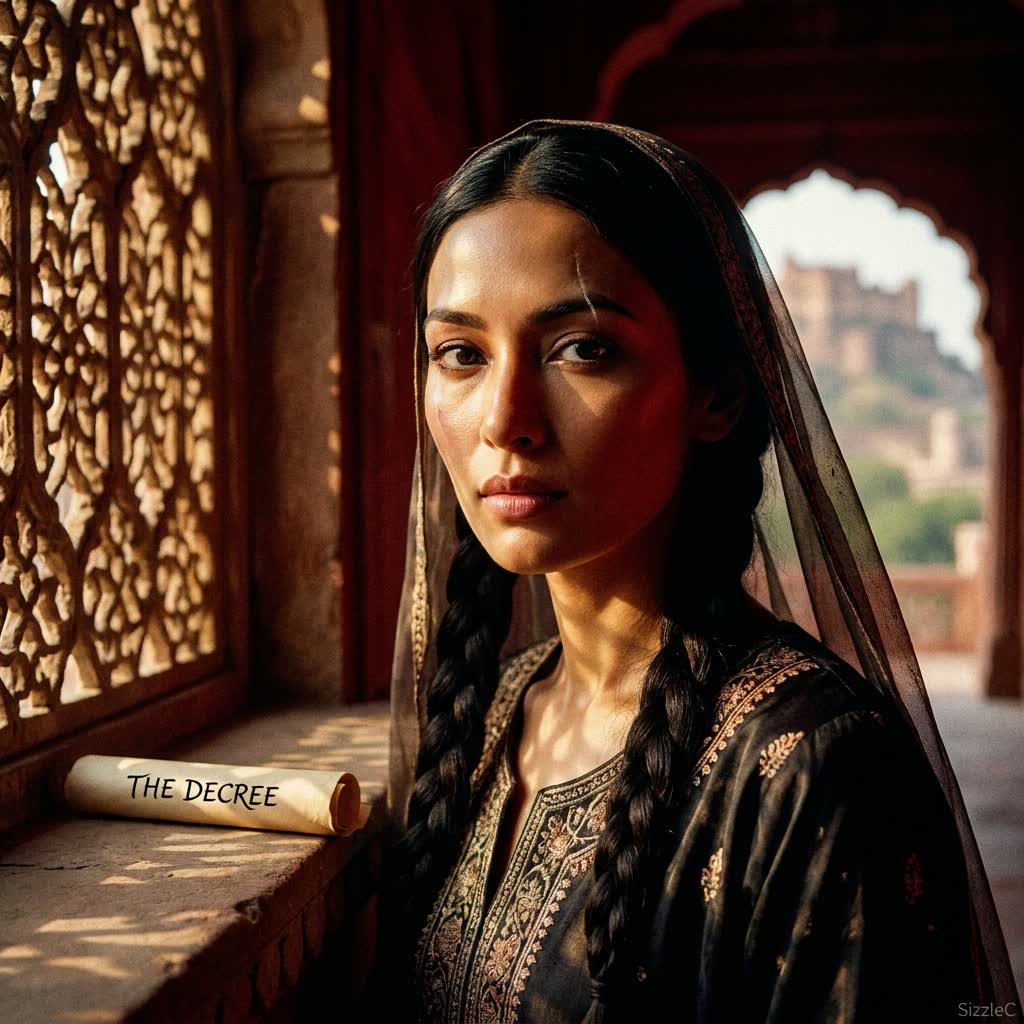
Count Your Sons (The Decree) cover

[Intro]

My father counted sons. He counted them all.

Then he called the scribe and he wrote down me. Me, of all.

[Verse 1]

Gwalior, twelve thirty-one, he rode out with the drums,

Left the keys of Delhi in his daughter's thumbs.

[Verse 2]

I ran the city while he laid his siege,

Kept the wells, kept the grain, kept the peace.

He came home and he looked at what he'd got,

A girl who could govern and the boys who could not.

[Pre-Chorus]

Taj ul-Mulk, bring the ink. Write it plain.

The maliks said, you have sons. He said, I have a brain.

[Time]

[Drop]

Count your sons! Count them twice!

Pleasure in the palace never governed anything in life!

Iltutmish put my name on the heir's decree,

All his sons at the table and the throne came down to me!

[Verse 3]

They said a woman's hand can't hold a Turkish sword,

He said my sons are drunk and I can't afford

A Delhi run by boys who sleep till noon,

Mark the parchment, Taj, and mark it soon.

Minhaj wrote it down, but he wasn't in the room,

A daughter heard it first in the Delhi afternoon.

The heir is a girl. Say it, don't choke.

Shams ud-Din said it. The Sultan spoke.

[Drop]

Count your sons! Count them twice!

Pleasure in the palace never governed anything in life!

Iltutmish put my name on the heir's decree,

All his sons at the table and the throne came down to me!

[Outro]

Count your sons.

Then count me.

[Fade Out]

[End]

01 · Count Your Sons (The Decree)

Slow Afghan rubab and sarangi over a soft naqqara pulse, a lone female voice in a modal line, building → Deep House. Warm sub bass, rolling groove, dry close female vocal

🎶 The Sizzle: Rubab and sarangi over a slow war drum for the first fifty seconds, then a warm deep house drop. Mood: a father choosing, a daughter already governing.

🎬 The Story: The Decree: Iltutmish leaves Razia in charge of Delhi while he besieges Gwalior in 1231, comes home, and has his scribe Taj ul-Mulk write her name on the succession over his sons. Minhaj, the only source, was in Gwalior and heard it second hand.
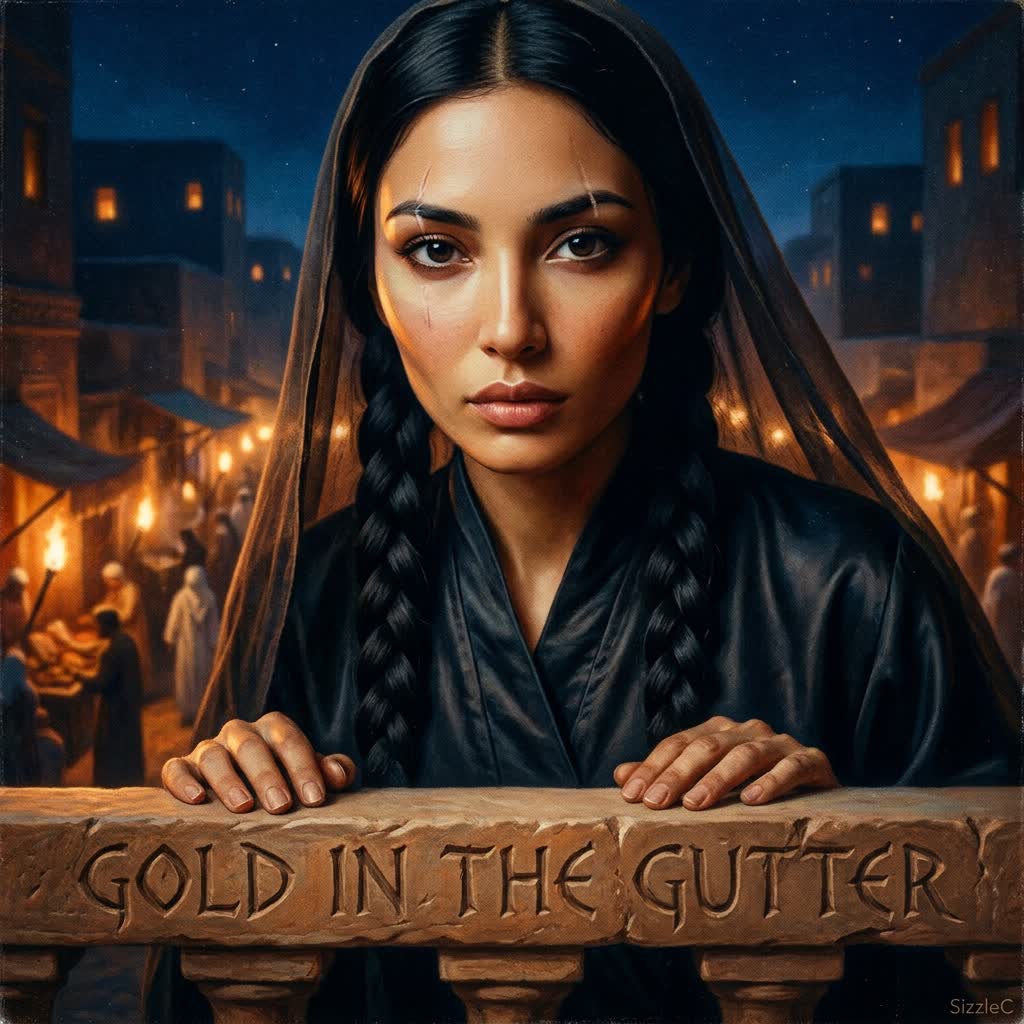
Gold in the Gutter (The Brother) cover

[Intro]

April, twelve thirty-six. My father's in the ground.

And my brother's on an elephant throwing gold around.

[Verse 1]

Firuz in the bazaar, drunk before the noon,

Tankas in the gutter, dancers and a tune.

[Verse 2]

His mother runs the palace, Shah Turkan holds the keys,

The harem learns to whisper, the harem learns to freeze.

She blinded little Qutb ud-Din, then she had him killed,

Then she turned her eyes on me. I know what she willed.

[Pre-Chorus]

Multan's gone, Hansi's gone, Lahore won't send a word,

The vizier walked off with the army. Yes, you heard.

[Time]

[Drop]

Gold in the gutter! Boy on the beast!

Six months and twenty-eight days of a drunken feast!

Mother in the palace and the brother's on the town,

Spend the Sultan's silver till the Sultanate falls down!

[Verse 3]

Junaidi left Kilokhri and he never came back,

Awadh is in revolt and the treasury's cracked.

Clowns and musicians eating off the plate,

Eunuchs at the door and the governors won't wait.

Iltutmish built the city stone by stone,

His son is spending Delhi from an elephant throne.

Mother sharpens knives, and the knives have a list.

I'm next on the list. And I have read the list.

[Drop]

Gold in the gutter! Boy on the beast!

Six months and twenty-eight days of a drunken feast!

Mother in the palace and the brother's on the town,

Spend the Sultan's silver till the Sultanate falls down!

[Outro]

Gold in the gutter.

Pick it up, Delhi.

You'll need it.

[Fade Out]

[End]

02 · Gold in the Gutter (The Brother)

Frantic dhol and bazaar crowd noise, drunken shehnai, rubab, building → Heavy Tech House. Pounding kick, distorted analog bass, sardonic female vocal, sound design: coins clattering on stone

🎶 The Sizzle: Dhol frenzy and a drunk shehnai for fifty seconds, then a pounding tech house drop with coins in the percussion. Mood: contempt, counted in days.

🎬 The Story: The Brother: Rukn ud-Din Firuz takes the throne in April 1236 and spends it riding an elephant through the bazaar scattering gold while his mother Shah Turkan runs the palace, blinds and kills the boy Qutb ud-Din, and marks Razia next. The governors rebel, the vizier Junaidi walks off with the army. Six months, twenty-eight days.

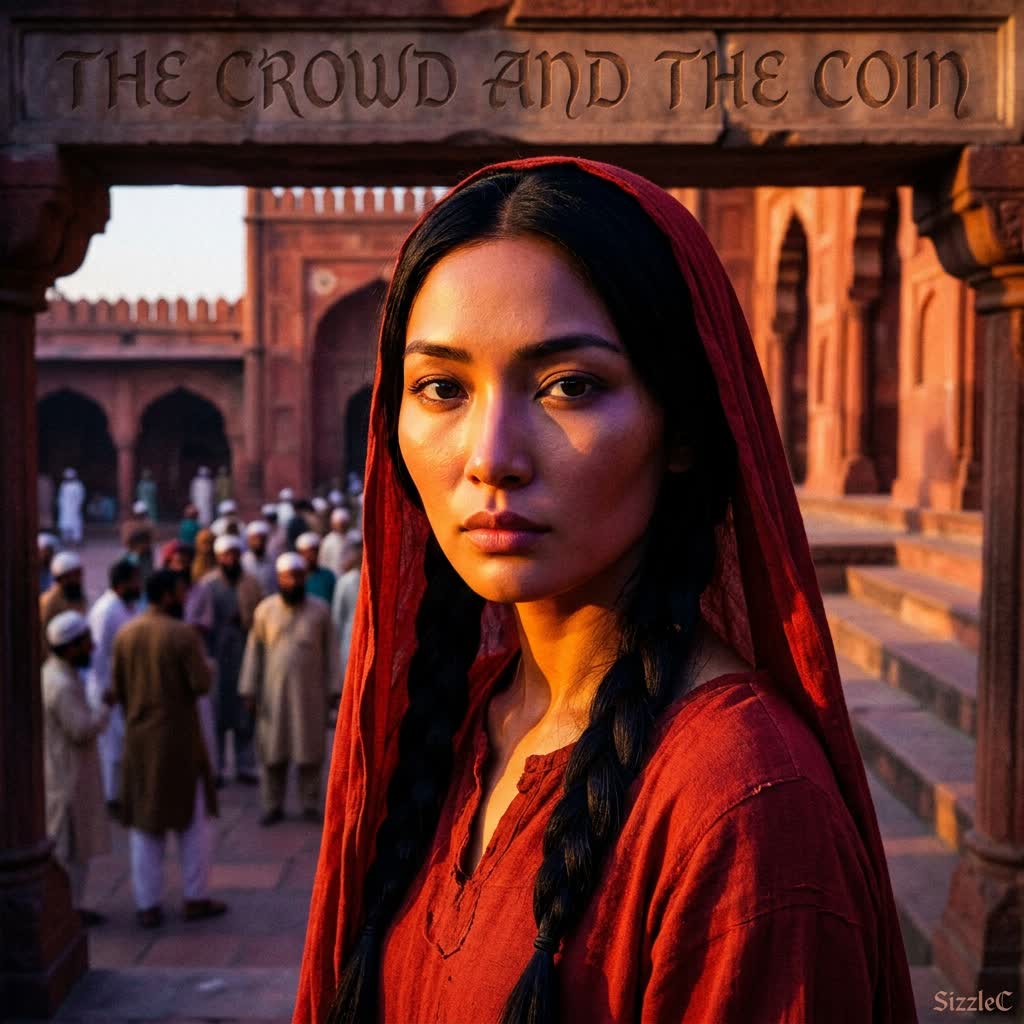
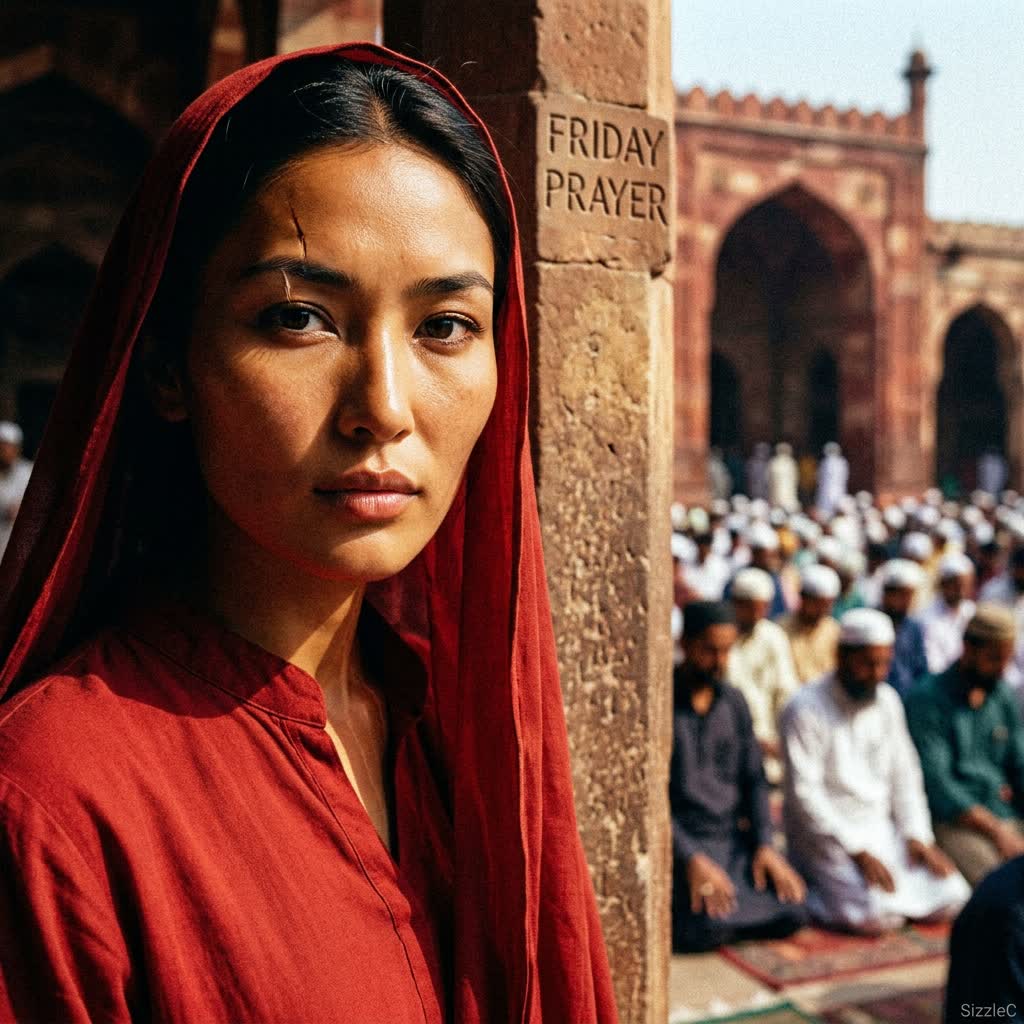
Red at Friday Prayer (The Crowd) cover

[Intro]

Friday. The courtyard full. A thousand men in rows.

I wore the colour that the wronged one wears. Everybody knows.

[Verse 1]

I didn't bring an army, I didn't bring a sword,

I brought my father's name and I brought my own word.

[Verse 2]

She killed my little brother, she's coming for me next,

Shah Turkan in the palace writing out the text.

You loved Iltutmish. You ate his bread for years.

His daughter's at the mosque. Lend her your ears.

[Pre-Chorus]

No general. No malik. No Turk with a knife.

Just the people of Delhi, and they chose my life.

[Time]

[Drop]

Delhi, rise! Delhi, roar!

A thousand hands on the palace door!

Pull the queen mother out of the dark,

The city picks a Sultan and the city leaves its mark!

[Verse 3]

Firuz rode back and he found his mother chained,

Found the gates were shut and his gold had drained.

Seven months of singing, now the song is through,

The maliks bend the knee like they always knew.

No blood on my hands, I didn't lift the latch,

I lit a little fire and the city was the match.

Sultan by the crowd, not a malik, not a lord,

The daughter takes the throne and the brother takes the sword.

[Drop]

Delhi, rise! Delhi, roar!

A thousand hands on the palace door!

Pull the queen mother out of the dark,

The city picks a Sultan and the city leaves its mark!

[Outro]

I wore red.

The city wore me.

[Fade Out]

[End]

03 · Red at Friday Prayer (The Crowd)

Qawwali-style call and response with handclaps and a held sarangi drone, a modal female call rising over a courtyard crowd, building → peak-time Tech House. Driving kick, big crowd-chant hook, commanding female vocal

🎶 The Sizzle: A qawwali call and handclaps for fifty seconds, then a peak-time tech house drop with the crowd on the hook. Mood: one woman, one courtyard, a city that turns.

🎬 The Story: The Crowd: Razia walks into the Friday prayer at the congregational mosque, accuses Shah Turkan of murdering her brother and plotting her death, and asks the people of Delhi for help in her father's name. The crowd storms the palace and seizes the queen mother; Firuz rides back from Kilokhri to a locked city. The red garment of the aggrieved is Isami's detail a century later; the appeal and the crowd are Minhaj.

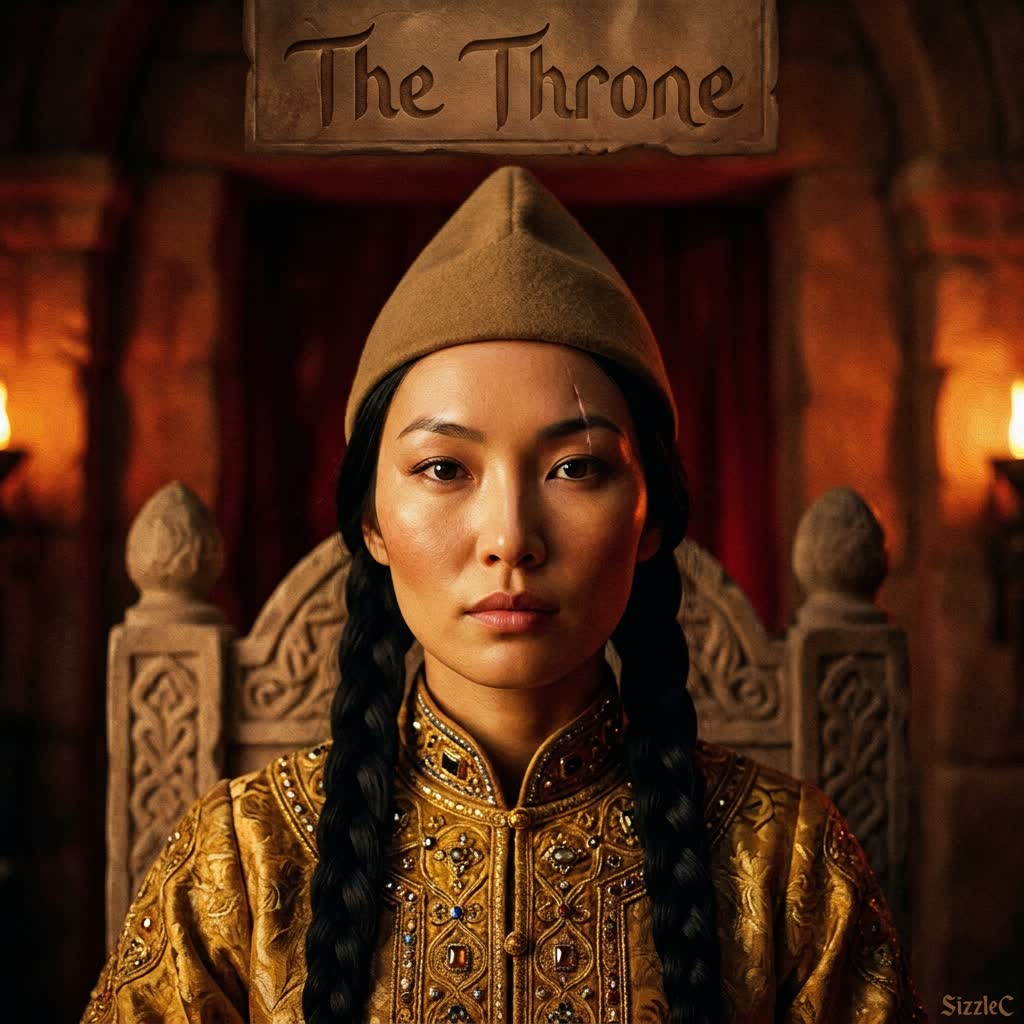
Nineteen November (The Throne) cover

[Intro]

Nineteen November. The year, twelve thirty-six.

I sat on my father's seat. The maliks swallowed their tricks.

[Verse 1]

They thought they'd put a daughter up like a flag on a pole,

Something soft to stand behind while the Turks took control.

[Verse 2]

Then Junaidi pitched his tents outside my city wall,

Four governors beside him, waiting for the fall.

I didn't send an army. I sent a quiet word,

Salari and Kabir Khan heard what nobody heard.

[Pre-Chorus]

Two came to my table. The others woke in fear,

Saw the empty tents, and the rebels disappeared.

[Time]

[Drop]

This is my chair! This is my hall!

Nizam ul-Mulk is running for the Sirmur hills, that's all!

I didn't lose a soldier, I didn't lose a day,

I split the camp with whispers and the whispers blew them away!

[Verse 3]

Minhaj will write it later in his careful hand,

Sagacious, just, the patron of the learned, warlike, grand,

Then one more line, the sting of a quill,

Pity she's a woman. Pity, yes. But still.

Ranthambore was starving, I brought the garrison home,

Gwalior lost, but the throne was not on loan.

Expected to be silk. Turned out to be steel.

The daughter on the throne. Delhi, how does it feel?

[Drop]

This is my chair! This is my hall!

Nizam ul-Mulk is running for the Sirmur hills, that's all!

I didn't lose a soldier, I didn't lose a day,

I split the camp with whispers and the whispers blew them away!

[Outro]

Nineteen November.

Write the date.

I did.

[Fade Out]

[End]

04 · Nineteen November (The Throne)

Ceremonial naqqara kettle drums and elephant bells, shehnai fanfare, slow and stately, building → regal Deep House. Deep warm bass, wide pads, poised female vocal with a sly edge

🎶 The Sizzle: Kettle drums, elephant bells and a shehnai fanfare for fifty seconds, then a regal deep house drop. Mood: they wanted a flag; they got a chess player.

🎬 The Story: The Throne: 19 November 1236. The nobles expect a daughter they can stand behind. Instead she breaks the rebel camp outside Delhi without a battle by turning Salari and Kabir Khan with secret talks until the rest flee; the vizier Nizam ul-Mulk Junaidi dies in the Sirmur hills. Minhaj later calls her sagacious, just, warlike, and then regrets her sex.

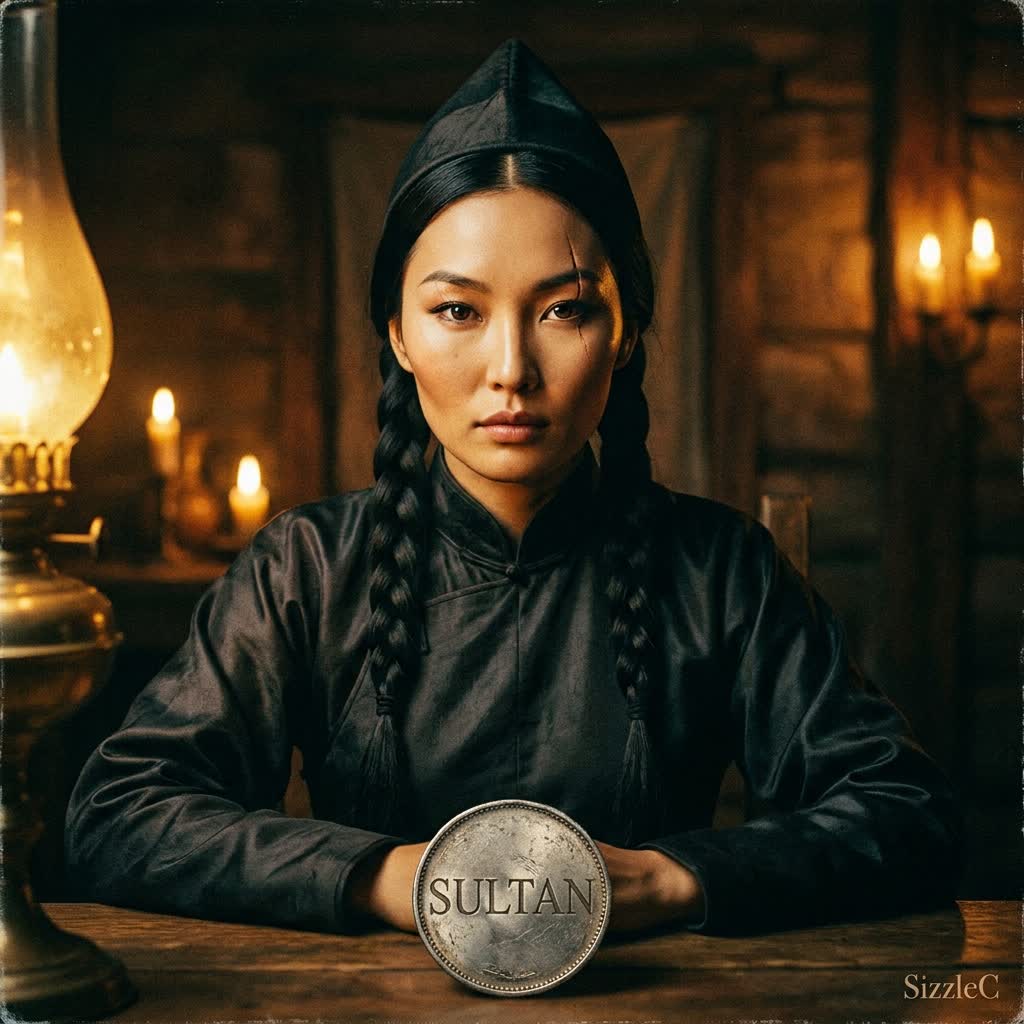
Sultan, Not Sultana (The Coin) cover

[Intro]

First year, the money said my father's name.

Second year, I took the die and I changed the game.

[Verse 1]

Strike it. Silver. Tanka. Read the line.

Sultan al-Mu'azzam. The Sultan. Mine.

[Verse 2]

Not Sultana, that's a wife, that's a mother, that's a bride,

I'm al-Sultan, write it masculine, write it with pride.

Jalalat ud-Din on the silver, Raziyya on the small change,

Delhi to Lakhnauti, my name on every exchange.

[Pre-Chorus]

Then I took the veil off. Folded it. Put it down.

Put on the qaba and the kulah and I walked into town.

[Time]

[Drop]

Sultan, not Sultana! Strike it in the mint!

Name on the money, every merchant takes the hint!

Veil on the floor, cap on my head,

If you want to see the Sultan she's riding on ahead!

[Verse 3]

Minhaj saw me mount the elephant in the open air,

All the people looking and the Sultan didn't care.

A tunic and a Turkish cap, a man's cut of clothes,

Not a disguise, a decision, and everybody knows.

Billon jital, horseman on the back,

Bint al-Sultan on the face of it. Daughter. That's that.

Money talks. Mine says exactly who I am.

Pay the army in my name and watch them understand.

[Drop]

Sultan, not Sultana! Strike it in the mint!

Name on the money, every merchant takes the hint!

Veil on the floor, cap on my head,

If you want to see the Sultan she's riding on ahead!

[Outro]

Sultan.

Not Sultana.

Check your pocket.

[Fade Out]

[End]

05 · Sultan, Not Sultana (The Coin)

Hammered metallic mint percussion, rubab and sarangi, a low female modal line, building → Tech House with metallic percussion. Tight punchy kick, clanging hi-hats, bold female vocal, sound design: a hammer striking a silver die

🎶 The Sizzle: Mint hammers, rubab and sarangi for fifty seconds, then a tech house drop with metal in every hi-hat. Mood: she renamed herself, then she put the name on the money.

🎬 The Story: The Coin: the first year's coins carry her father's name; from 1237 to 1238 they read al-Sultan al-Mu'azzam Raziyyat al-Din bint al-Sultan and Jalalat al-Dunya wa'l-Din, struck at Delhi and Lakhnauti. She puts aside the veil and female dress, wears the qaba and kulah, and mounts her elephant where all can see. The coins and the unveiling are Minhaj and the coins themselves; the insistence on the word Sultan is lore built on the masculine form.

Sultan, Not Sultana: The Forty and the Field · 5 songs

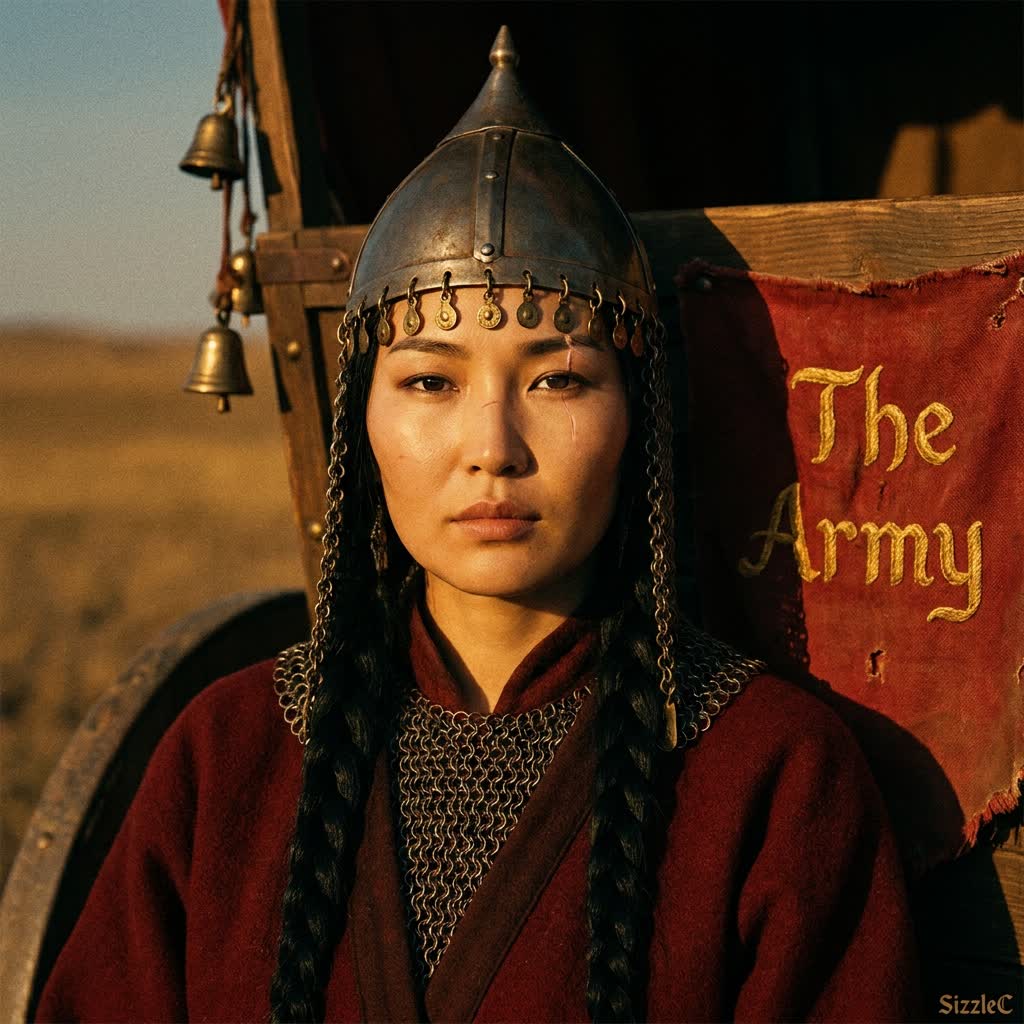
Bells on the Elephant (The Army) cover

[Intro]

Hear the bells? That's the elephant. Hear the drums? That's mine.

The Sultan rides in front. Fall in line.

[Verse 1]

Twelve thirty-nine, Kabir Khan in Lahore says no,

I don't send a letter. I bring the army and I go.

[Verse 2]

A thousand hooves in the dust behind the howdah,

Naqqara on the camels, every mile a little louder.

He saw the dust from the walls and he counted what he saw,

Kabir Khan bowed before I ever reached the door.

[Pre-Chorus]

No veil, no litter, no curtain on the beast,

The Sultan's face is open from the west to the east.

[Time]

[Drop]

Bells on the elephant! Drums on the plain!

Lahore, open up, or you'll see me again!

Up on the howdah, cap on my head,

The army goes where the woman goes, and the woman goes ahead!

[Verse 3]

Elephants in front and the amirs in the rear,

The Turks don't like the order but the order's very clear.

They watched me ride and they didn't like the view,

A girl in a Turkish cap doing what they couldn't do.

Elephant knows the weight, elephant knows the way,

Twenty paces in the front where a Sultan ought to stay.

Minhaj wrote warlike. He wasn't being kind.

He was being accurate. Look behind.

[Drop]

Bells on the elephant! Drums on the plain!

Lahore, open up, or you'll see me again!

Up on the howdah, cap on my head,

The army goes where the woman goes, and the woman goes ahead!

[Outro]

Bells.

Drums.

Fall in line.

[Fade Out]

[End]

06 · Bells on the Elephant (The Army)

War naqqara and dhol on the march, elephant bells, a shehnai battle call, building → driving Tech House. Relentless kick, rolling tom fills, bells in the percussion, fierce female vocal

🎶 The Sizzle: War drums, elephant bells and a shehnai call for fifty seconds, then a driving tech house drop with the bells kept in the hats. Mood: the Sultan rides in front.

🎬 The Story: The Army: Razia rides at the head of her army on an elephant, unveiled. In 1239 to 1240 she marches on Lahore when Kabir Khan Ayaz rebels and he submits before a battle; earlier she has Husain Ghuri bring the Ranthambore garrison out of a Rajput siege. Minhaj calls her warlike and means it.

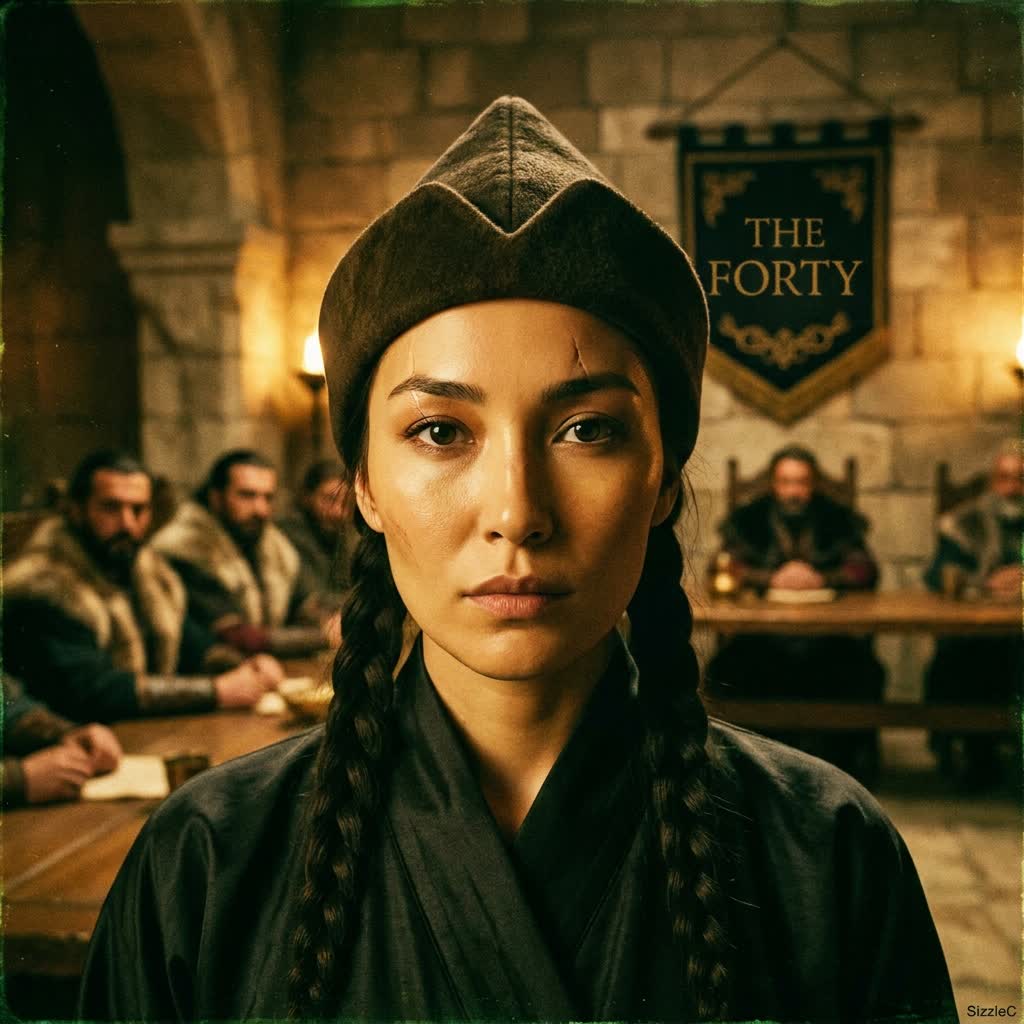
Forty Men and a Horse (The Forty) cover

[Intro]

Forty men around a table. Forty beards. Forty knives.

Forty slaves my father bought, now they're running forty lives.

[Verse 1]

Amir of the stables, Jamal ud-Din Yaqut,

A black man in a Turkish job. The Forty went mute.

[Verse 2]

It wasn't about the horses. It was about the chair.

Every post I gave a stranger was a Turk who wasn't there.

They said he touched my arm when I climbed into the saddle,

I ride an elephant, boys. Go check the beast, then check your tattle.

[Pre-Chorus]

Forty men and a horse. Forty men and a lie.

A hundred years later Isami writes it down with a sigh.

[Time]

[Drop]

Forty men and a horse! One of them is black!

That's the whole indictment, that's the knife in my back!

Not the war, not the coin, not the cap or the law,

A Habshi holding the reins was the thing that stuck in the craw!

[Verse 3]

Barani gave them the number, a hundred years on,

Forty was a legend by the time the Forty were gone.

But the knives were real, I counted every blade,

Altunia in Tabarhinda, Aitigin in the shade.

I made them. I paid them. I gave them iqta land,

And every iqta came back as a fist instead of a hand.

Yaqut kept the horses fed. That's what he did.

Ask the Forty what they did. Then ask them where they hid.

[Drop]

Forty men and a horse! One of them is black!

That's the whole indictment, that's the knife in my back!

Not the war, not the coin, not the cap or the law,

A Habshi holding the reins was the thing that stuck in the craw!

[Outro]

Forty men.

One horse.

Guess who paid.

[Fade Out]

[End]

07 · Forty Men and a Horse (The Forty)

Dark sarangi drone and a low naqqara pulse, whispered female backing, building → dark minimal Tech House. Sub-heavy bass, clipped hats, paranoid stabs, cold deadpan female vocal

🎶 The Sizzle: A dark sarangi drone and whispers for fifty seconds, then a cold minimal tech house drop. Mood: forty beards, one grievance, and it isn't the horses.

🎬 The Story: The Forty: Razia makes the Abyssinian Jamal ud-Din Yaqut master of the stables, a post the Turkic slave-nobles think is theirs, and gives other outsiders iqtas. The nobles turn. The story that Yaqut lifted her onto her horse by the arms is Isami's, a century later; Ibn Battuta repeats the rumour. Minhaj records the favour and the jealousy, nothing more. The name the Forty, Chihalgani, is Barani's, also a century later.

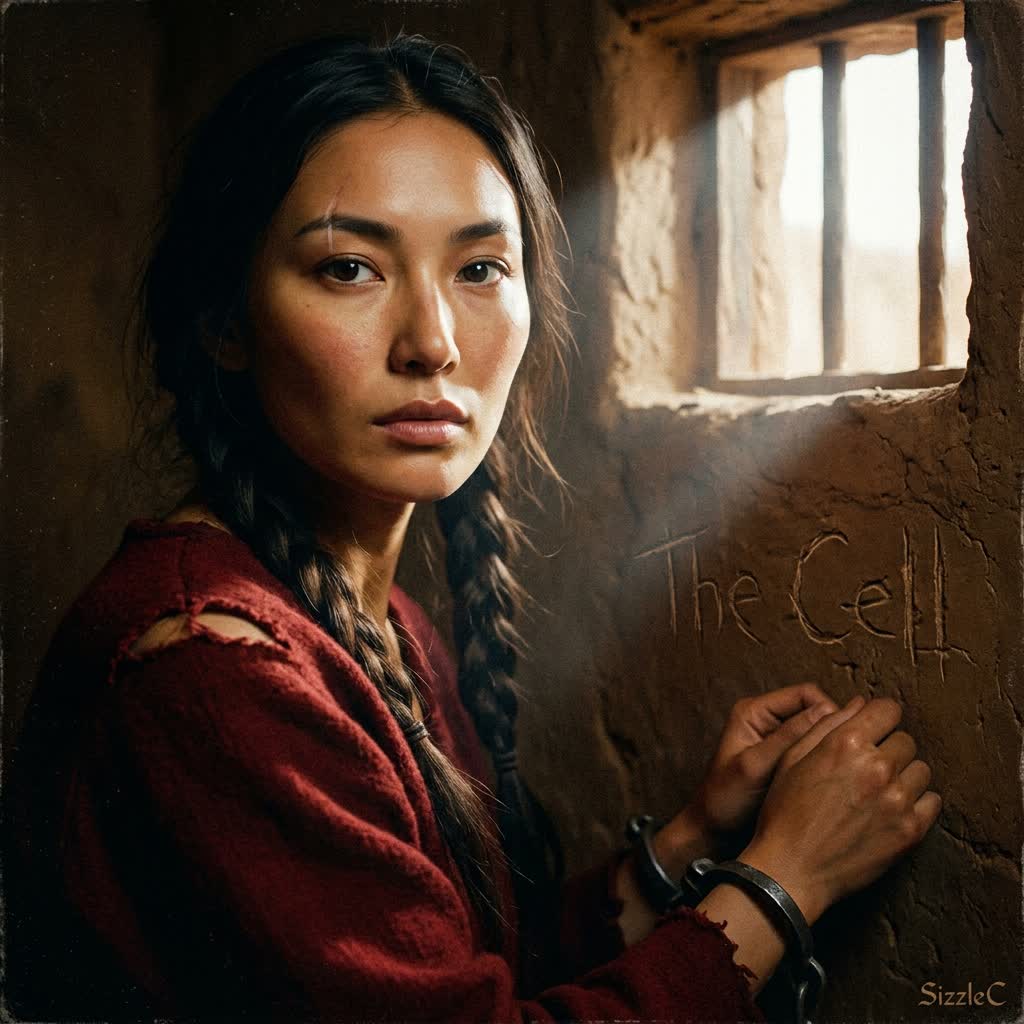
Tabarhinda (The Cell) cover

[Intro]

Third of April, back in Delhi, dust still on my boots.

A rider from Tabarhinda. Altunia's cut the roots.

[Verse 1]

Ten days later I'm marching west with my own men,

I didn't know the men were his. I know it now. Not then.

[Verse 2]

They turned in the camp. They came for Yaqut first.

A spear, a shout, a sunrise. That was the worst.

Then they came for me, the Sultan, with the chains in hand,

Ikhtiyar ud-Din Altunia and his iqta land.

[Pre-Chorus]

Twenty-first of April, Delhi crowns my brother Bahram,

Aitigin takes the deputy's chair. I take a cell at Bhatinda.

[Time]

[Drop]

Stone floor! Iron door!

Three and a half years a Sultan. Now I count the floor!

Yaqut's in the ground and the Forty hold the hall,

Tabarhinda keeps a Sultan behind a mud-brick wall!

[Verse 3]

The man who holds the key is the man who made the plot,

Altunia wanted Delhi. Delhi's what he hasn't got.

They gave the crown to Bahram and left Altunia the chore,

A Sultan in a cell and no reward for the war.

I watch him count his losses, I watch him count the hours,

A jailer with a grievance is the only door that's ours.

Fifth of May, they swear to Bahram one by one.

Nobody swears to Altunia. Now the real game's begun.

[Drop]

Stone floor! Iron door!

Three and a half years a Sultan. Now I count the floor!

Yaqut's in the ground and the Forty hold the hall,

Tabarhinda keeps a Sultan behind a mud-brick wall!

[Outro]

Tabarhinda.

Count the days.

I'm counting too.

[Fade Out]

[End]

08 · Tabarhinda (The Cell)

A slow sarangi lament and sparse rubab, a single frame drum, a grieving female modal line, building → hypnotic Deep House. Deep dub bass, long reverb tails, slow steady kick, quiet determined female vocal

🎶 The Sizzle: A sarangi lament and one frame drum for fifty seconds, then a hypnotic deep house drop. Mood: a Sultan counting the floor, and counting the jailer's losses.

🎬 The Story: The Cell: 3 April 1240 Razia reaches Delhi; Altunia has risen at Tabarhinda. Ten days later she marches with men who are already his. The camp turns, Yaqut is killed, Razia is chained in the fort. On 21 April Delhi crowns her brother Bahram and makes Aitigin his deputy; on 5 May the nobles swear to him. Altunia gets nothing. She notices.

Marry the Jailer (The March) cover

[Intro]

He had the key. I had the name.

So we did the arithmetic. Two prisoners, one game.

[Verse 1]

Marry the jailer. Say the words. Sign the deed.

Ikhtiyar ud-Din, you wanted Delhi. Here's what you need.

[Verse 2]

He had a grudge and a fort and a thousand angry men,

I had a crown they stole and the right to it again.

Not love. Don't write love. Write a contract in the heat,

A Sultan and a rebel with one city to complete.

[Pre-Chorus]

Raise the drums. Hire the hills. Khokhar swords and Jat,

September at our back and Delhi's walls ahead of that.

[Time]

[Drop]

Marry the jailer! Open the gate!

Bride on the elephant, Delhi, don't be late!

Second time I come for you, the first time you came to me,

The crowd chose me once. Choose me twice. We'll see.

[Verse 3]

Bahram sent the army out. The Forty rode along.

In a field outside Kaithal we found out we were wrong.

Our hired men looked at the odds and did the hired thing,

By nightfall it was two of us and the crows began to sing.

I married for an army and the army walked away,

Still the only woman who ever made them pay.

October on the plain, the dust is in my mouth,

Sultan of two people, and the road runs out.

[Drop]

Marry the jailer! Open the gate!

Bride on the elephant, Delhi, don't be late!

Second time I come for you, the first time you came to me,

The crowd chose me once. Choose me twice. We'll see.

[Outro]

Marry the jailer.

It nearly worked.

Nearly.

[Fade Out]

[End]

09 · Marry the Jailer (The March)

Wedding dhol and shehnai, fast handclaps and a women's chorus call, building → defiant Tech House. Big rolling bass, marching kick, triumphant stabs, hard-edged female vocal

🎶 The Sizzle: Wedding drums and shehnai for fifty seconds, then a defiant tech house drop. Mood: not love, a contract, and nearly enough.

🎬 The Story: The March: Razia marries her jailer Ikhtiyar ud-Din Altunia, cheated of his reward by Delhi, and the two raise a force and march on the capital in September 1240. Bahram's army meets them near Kaithal in October; their hired men desert. The Khokhar and Jat levies are later chroniclers' detail; the marriage, the march and the defeat are Minhaj.

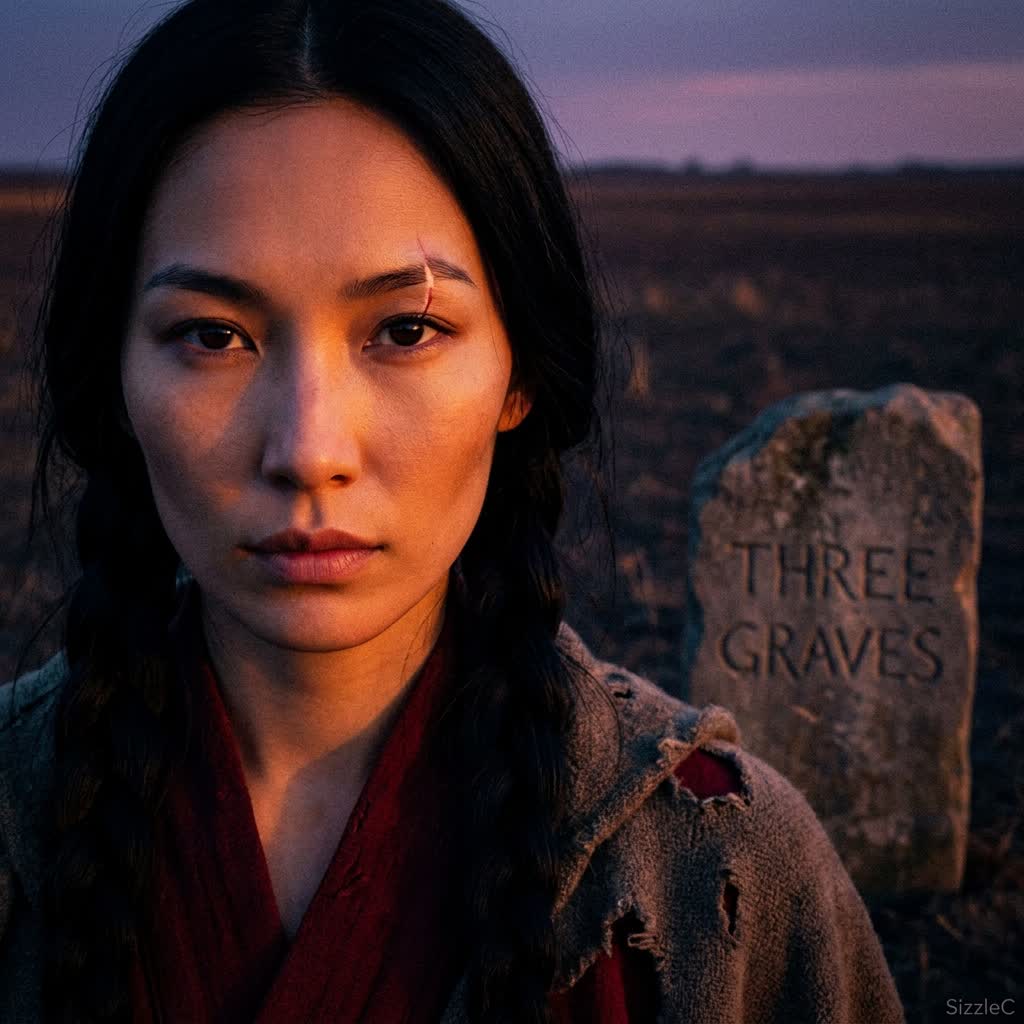
Kaithal, Three Graves (The Tomb) cover

[Intro]

Fourteenth of October, twelve forty, a field outside Kaithal.

Two of us walking. No army at all.

[Verse 1]

Hungry, tired, a Sultan in a stranger's coat,

The farmers took the jewels and they didn't take a vote.

[Verse 2]

The village found us sleeping and the village did the rest,

Nobody from the Forty had to put it to the test.

Altunia beside me. The jailer kept his word.

Three years and six months, and the rest is what you heard.

[Pre-Chorus]

Now they can't agree on where they put me down,

Three graves, three cities, one woman, one crown.

[Time]

[Drop]

Kaithal, Delhi, Tonk! Pick a grave, pick a stone!

Three towns want the Sultan, not one of them wanted the throne!

Bulbul-i-Khana, Turkman Gate, two slabs and no name,

Ibn Battuta saw the pilgrims and the dome, all the same.

[Verse 3]

Minhaj wrote it down, and this is what he penned,

A great sovereign, just, the patron of the learned, a friend

To her subjects, warlike, every kingly trait,

Then a pity she's a woman. Then he shut the gate.

No portrait on the coin, just my name in a line,

Sultan al-Mu'azzam. Go find one. It's still mine.

I took the veil off once and it never went back on,

Three graves in three cities and the daughter's name lives on.

[Drop]

Kaithal, Delhi, Tonk! Pick a grave, pick a stone!

Three towns want the Sultan, not one of them wanted the throne!

Bulbul-i-Khana, Turkman Gate, two slabs and no name,

Ibn Battuta saw the pilgrims and the dome, all the same.

[Outro]

Sultan.

Not Sultana.

Three graves. One name.

[Fade Out]

[End]

10 · Kaithal, Three Graves (The Tomb)

A solo sarangi and bansuri flute over a distant single naqqara, slow and bare, a quiet female modal line, building → warm Melodic House. Soft four on the floor, deep bass, bright arpeggios, tender clear female vocal, euphoric and sad at once

🎶 The Sizzle: One sarangi and a bansuri for fifty seconds, then a warm melodic house drop. Mood: three towns want the grave, none of them wanted the throne.

🎬 The Story: The Tomb: 13 to 15 October 1240, a field near Kaithal. Deserted and robbed, Razia and Altunia are killed by local villagers, Minhaj says. Her tomb is claimed by Kaithal, by Tonk, and by two bare slabs at Bulbul-i-Khana near Turkman Gate in Delhi, where Ibn Battuta saw pilgrims and a dome a century on. Minhaj's epitaph: a great sovereign, sagacious, just, warlike, and then the pity that she was not a man.