The story behind On My Own Ground
Who was Madam C. J. Walker?
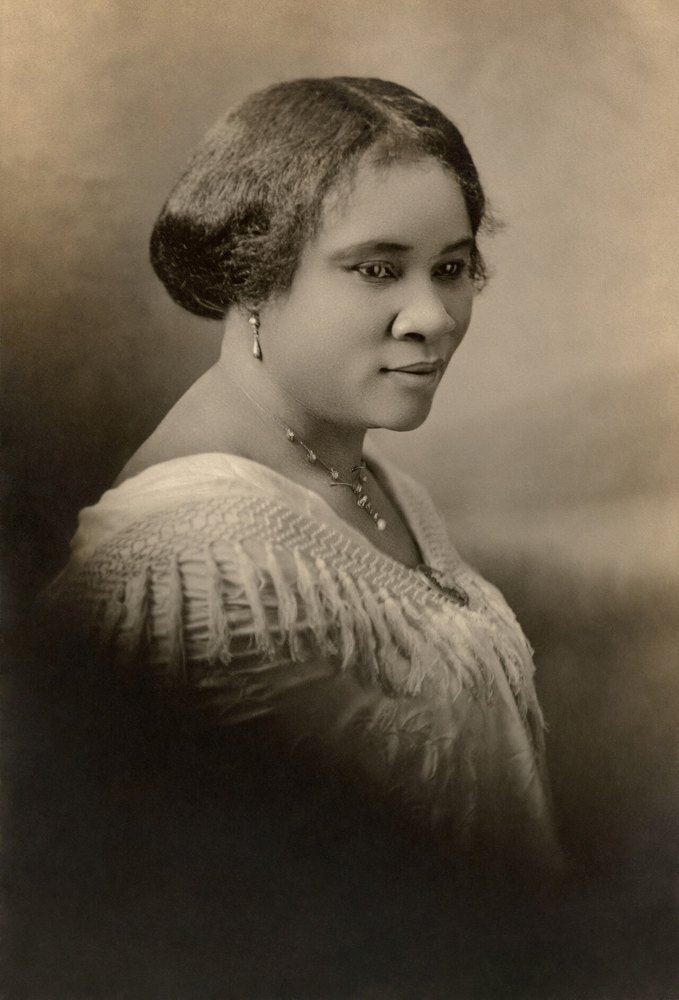
Sarah Breedlove was born in 1867 in the Louisiana Delta, the first child in her family born free. Orphaned at seven, married at fourteen, widowed at twenty, she washed other people's laundry for about a dollar a day. Then she built a hair-care company of her own, trained thousands of Black women to sell for it, and gave her money to the fight for civil rights.
Why should you care?
A fortune from nothing
Guinness records her as the first woman in America to become a self-made millionaire. She started with three months of school, no family money and a washtub.
A paycheck for thousands of women
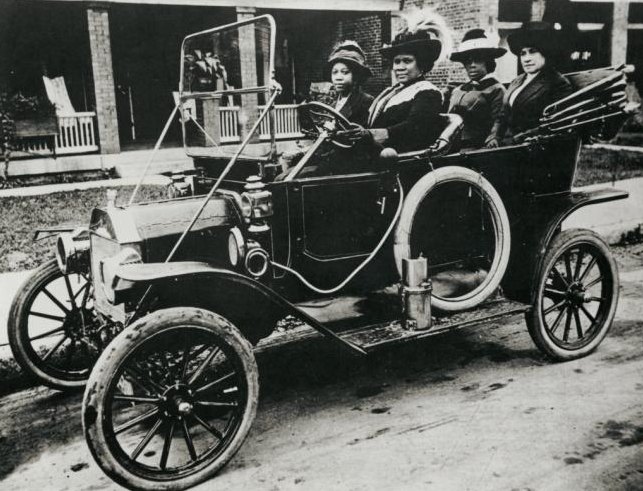
Her company employed several thousand women as sales agents and said it had trained nearly 20,000 by 1917, at a time when most jobs open to Black women were in someone else's kitchen or laundry.
Business money for civil rights
She sat on the NAACP committee that organized the 1917 Silent Protest Parade down Fifth Avenue, gave the largest individual gift its anti-lynching fund had received, and left two-thirds of her estate's future profits to charity.
Still standing
Her company's 1927 headquarters in Indianapolis is now the Madame Walker Theatre Center, and Villa Lewaro, the mansion a Black architect designed for her on the Hudson, still stands in Irvington, New York.
Timeline · tap a year
In her own words
“I am a woman who came from the cotton fields of the South. From there, I was promoted to the washtub. From there, I was promoted to the cook kitchen. And from there, I promoted myself into the business of manufacturing hair goods and preparations… I have built my own factory on my own ground.”
Madam C. J. Walker, National Negro Business League convention, 1912. The album takes its name from the last line.
The record and the legend
A dollar a day
Tap something she paid for. How long would it take at the washtub, at a dollar a day, six days a week?
Quick quiz
The album
On My Own Ground by SizzleC is a 12-song dramatization of this story, each song told by someone who stood close to her: her mother, the girl at school, the washerwoman, a student of the Walker System, a factory foreman, her agents, the marchers on Fifth Avenue, her daughter A'Lelia. Each song starts in a sound of its year and place and drops into a modern one at the minute mark. The songs are fiction built on history: the foreman and the student are invented, characters speak lines no one recorded, and the convention-floor song sings the legend. The facts on this page are the history.
Listen to On My Own Ground →