BEATRIFULThe storySizzleC

ON MY OWN GROUND

SizzleC · 12 songs · in production

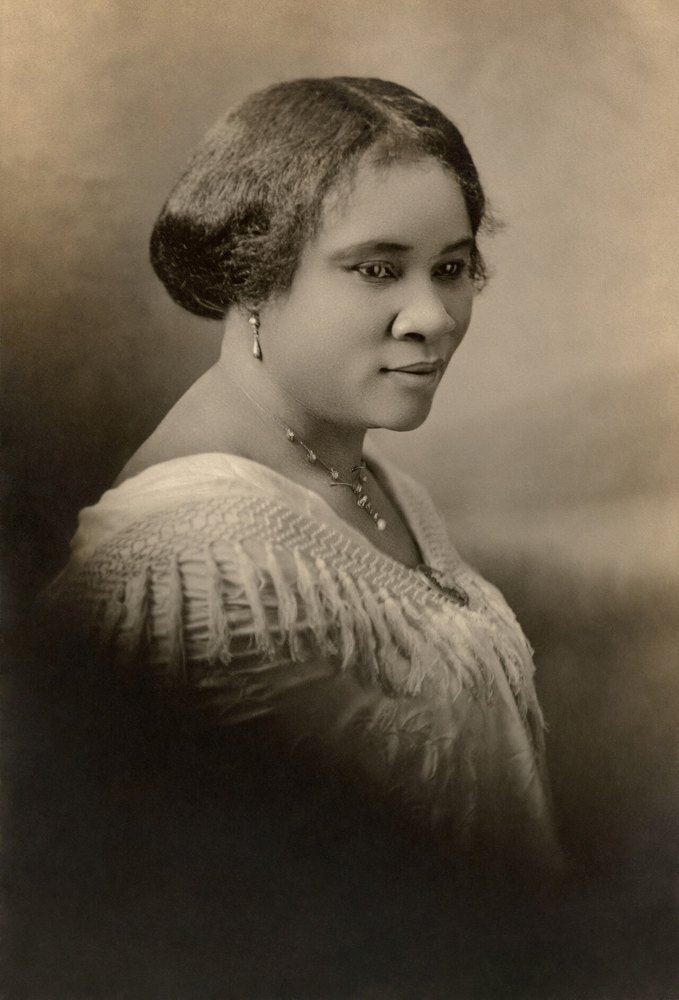
Madam C. J. Walker (1867–1919) was born Sarah Breedlove in the Louisiana Delta, the first child in her family born free. Orphaned at seven and a washerwoman at a dollar a day, she built her own hair-care company and factory, trained thousands of Black women to sell for it, and is recorded as America's first self-made woman millionaire. Why it still matters: she turned a business into paychecks for thousands of women and her money into civil rights, from the NAACP's anti-lynching fund to the 1917 silent march on Fifth Avenue. Twelve songs, each told by someone who stood close to her: her mother in the cholera year, the girl with three months of school, the laundress, the fair that would not serve her, the ad man who gave her the name Madam, a student of the Walker System, a foreman on North West Street, her own words at the podium, the agents' clubs, the marchers, the architect of Villa Lewaro, and her daughter at the bedside. Every song opens in the sound of its year and place and drops into a modern floor at the minute mark.

field holler → bounce/deep house · church piano → deep house · washboard ragtime → house · fairground brass → upright-bass house · saloon piano → tech house · early jazz → Chicago house · factory steam → industrial house · gospel choir → peak-time house · brass march → garage house · muffled drums → dark house · stride piano → deep house · church organ → ambient house

all takes and alternates →

First Born Free cover

[Intro]

Delta, Louisiana. The same fields. The same cabin.

But the paper said free, and the child came after the paper.

[Verse 1]

The Burney place, the same long rows I picked before the paper,

Now they pay us by the sack, and the sack is never full.

Owen in the row beside me, and the older ones behind,

And the overseer gone, and the heat the same, and the cotton the same.

[Verse 2]

In December, in the cabin, with the river high and brown,

She came into the world with nothing over her but a roof.

The first of mine the paper counted as her own,

And I held her up to the window to show her she was free.

[Verse 3]

The fever came the next year, the cholera, the river's year,

I burned for days on the pallet with the children at the door.

I told Owen: keep her near the river, keep her near the school,

And I went where the fever took me, and I could not take her too.

[Chorus]

Born free. Born free.

Free is a word on a paper, and the cotton does not read.

But you were born after the paper,

And that is the whole of what I leave.

[Drop]

Row. Sack. Scale.

Row. Sack. Scale.

Born after the paper.

Row. Sack. Scale.

[Verse 4]

I was not there the year her father followed me,

I was not there when the girl of seven packed her one dress.

Vicksburg took her in to scrub the floors of other people,

And she kept my window in her, and the river, and the paper.

[Chorus]

Born free. Born free.

Free is a word on a paper, and the cotton does not read.

But you were born after the paper,

And that is the whole of what I leave.

[Bridge]

Nobody wrote my name on anything. I wrote hers on the air. Sarah.

[Outro]

Born after the paper.

[Fade Out]

[End]

01 · First Born Free

Delta field holler and a spiritual hummed low by a woman, slow first minute then a hard beat drop → New Orleans bounce drums under deep house at 125 bpm, low female lead, story-driven

🎶 The Sizzle: Delta field holler and a spiritual hummed low by a woman, slow first minute then a hard beat drop into New Orleans bounce drums under deep house at 125 bpm, low female lead, story-driven

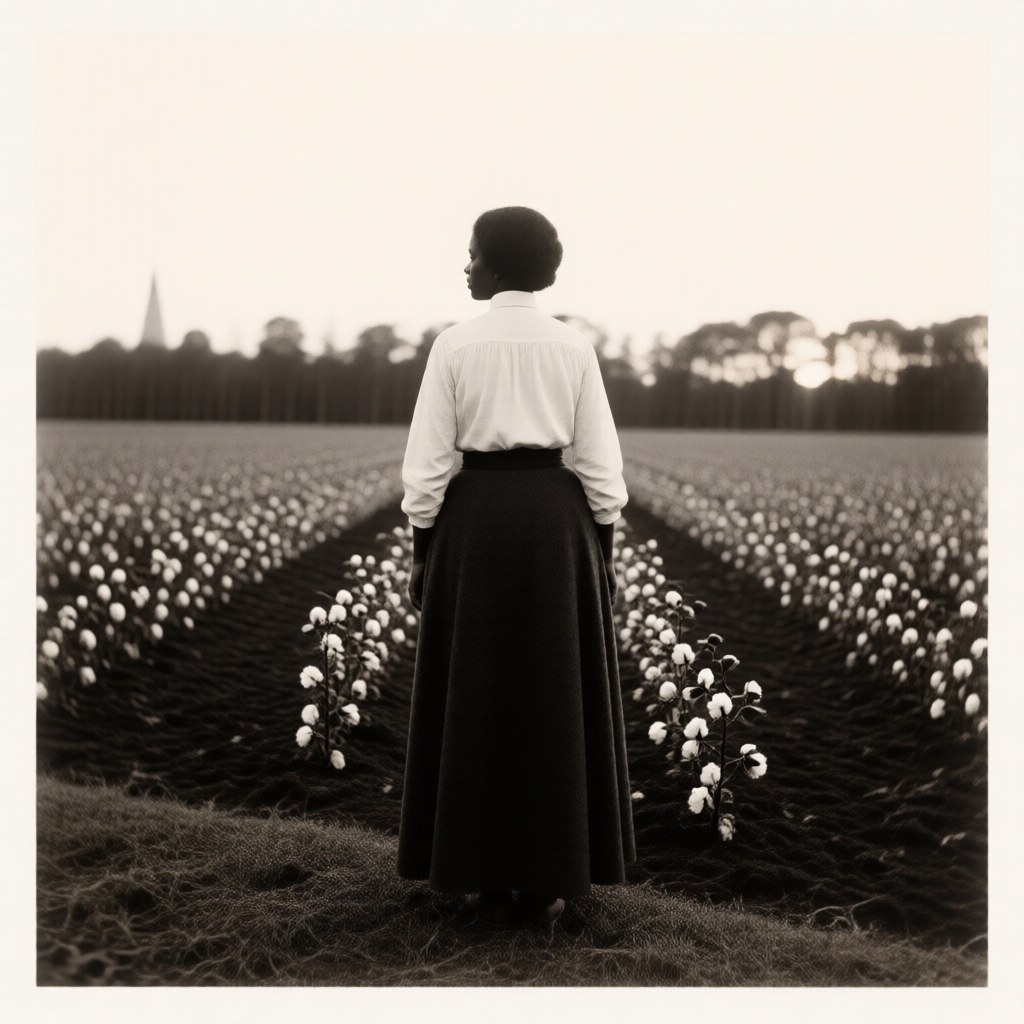
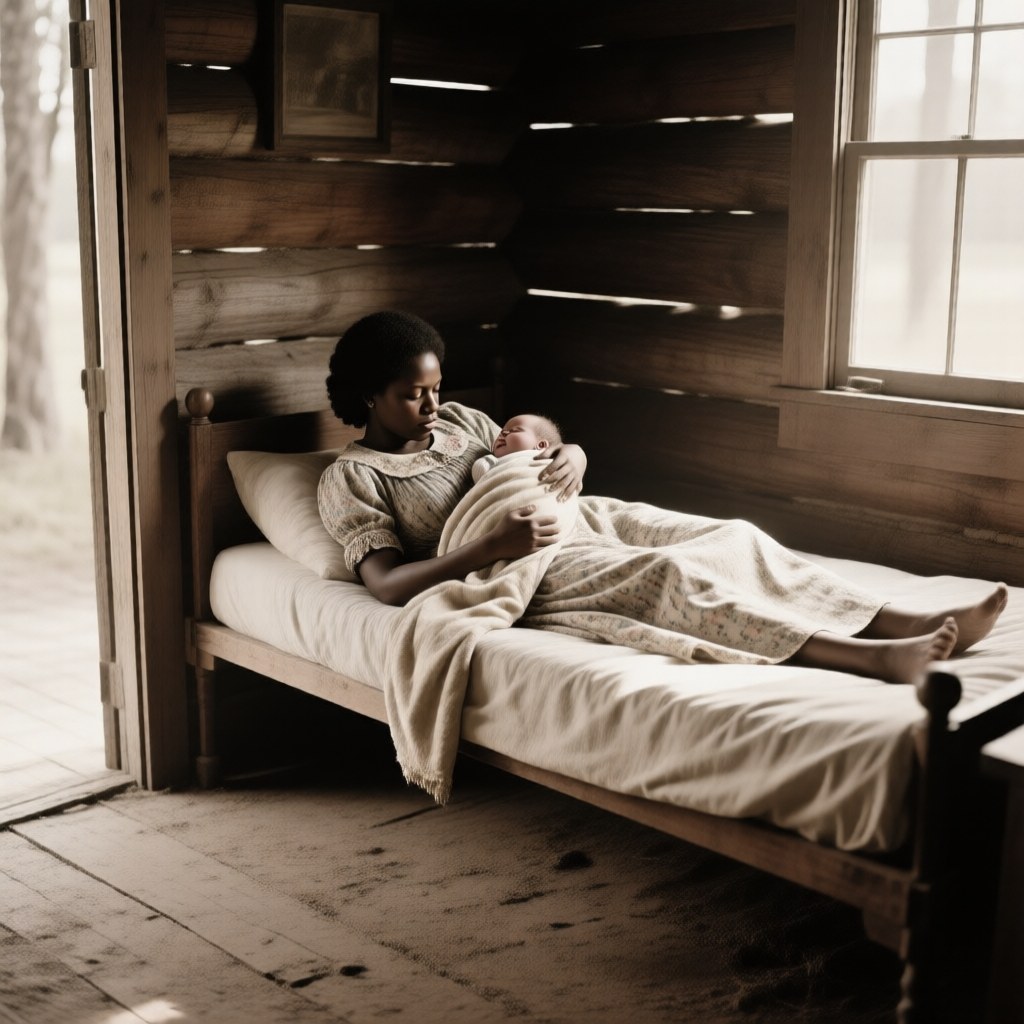
🎬 The Story: The Delta, 1867: Minerva, dying in the cholera year, holds the first child in the family born free and wants her to know the word, while the cotton outside does not read.

keeper not picked yet
Schoolhouse cover

[Intro]

I had little or no opportunity when I started out in life. I said that later.

At the time I was ten, and I was on my knees with a brush.

[Verse 1]

Vicksburg. A white house on a hill and a kitchen in the back,

I scrubbed the floors at seven and I carried at ten.

My mother in the river ground, my father just behind her,

And my sister's husband's house, and his hand, and his door.

[Verse 2]

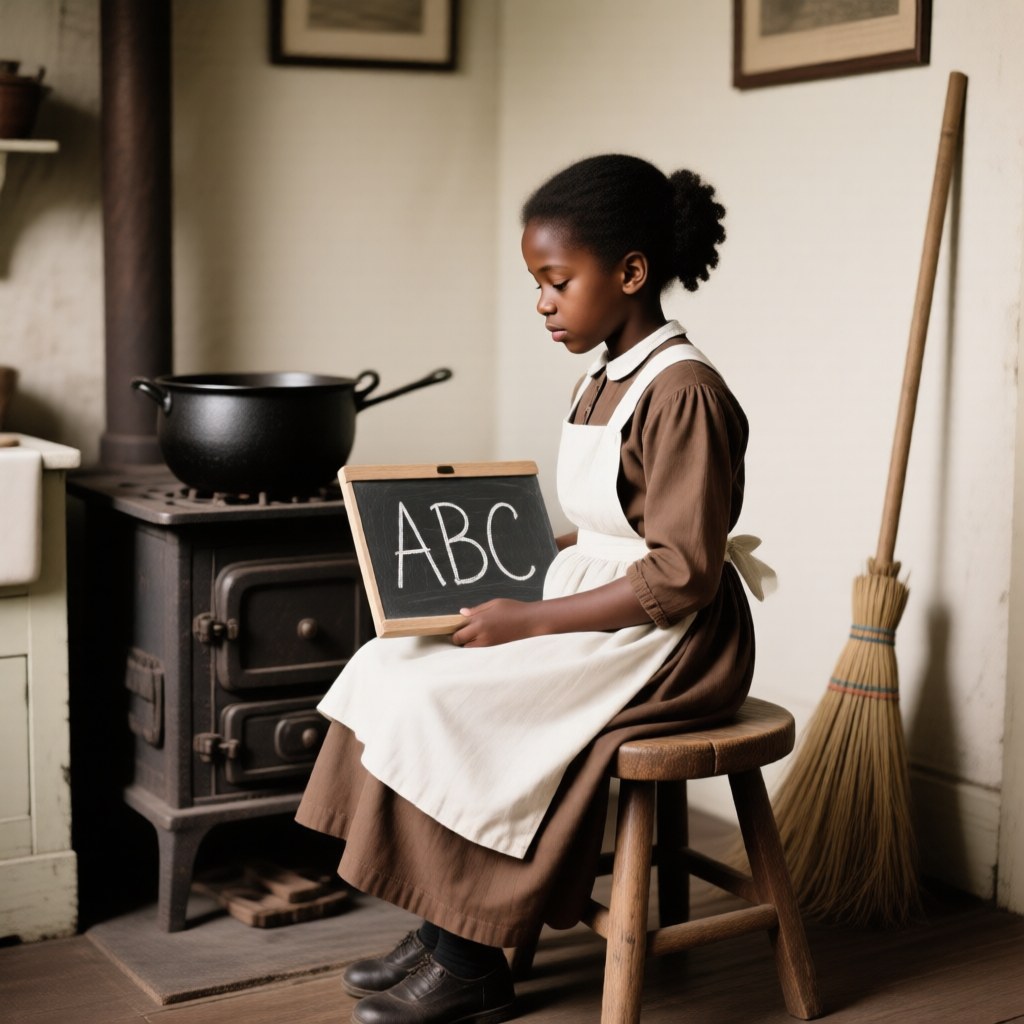
There was a schoolhouse one winter with a teacher and a slate,

A season of letters, and then the season was through.

I learned to make my name and I learned to read the signs,

And they gave me the letters and took back the room.

[Verse 3]

At fourteen I married Moses to get out of that house,

A man I barely knew, with a door of his own.

The girl came in June, in the heat, with the river low,

And by the time she walked, he was gone, and I was twenty.

[Chorus]

A season of school

And a whole life to read with.

They gave me the letters and took back the room,

So I read the world instead.

[Drop]

Scrub. Carry. Learn.

Scrub. Carry. Learn.

A whole life to read with.

Scrub. Carry. Learn.

[Verse 4]

I read the washboard and I read the lye and I read the stairs,

I read the faces of the women when they looked at their hair.

I read what nobody wrote down because nobody thought to,

And every page of it was mine, because I had no other.

[Chorus]

A season of school

And a whole life to read with.

They gave me the letters and took back the room,

So I read the world instead.

[Bridge]

Opportunity is a word I learned later. I had already done without it.

[Outro]

So I read the world instead.

[Fade Out]

[End]

02 · Schoolhouse

a church-house piano and a girl's hymn hummed alone, slow first minute then a hard beat drop → slow deep house at 118 bpm, young female lead, story-driven

🎶 The Sizzle: a church-house piano and a girl's hymn hummed alone, slow first minute then a hard beat drop into slow deep house at 118 bpm, young female lead, story-driven

🎬 The Story: Vicksburg, 1874 to 1882: Sarah, orphaned at seven, works as a child domestic in her brother-in-law's house, gets three months of school and a whole life to read with, and marries at fourteen to get out.

A Dollar a Day cover

[Intro]

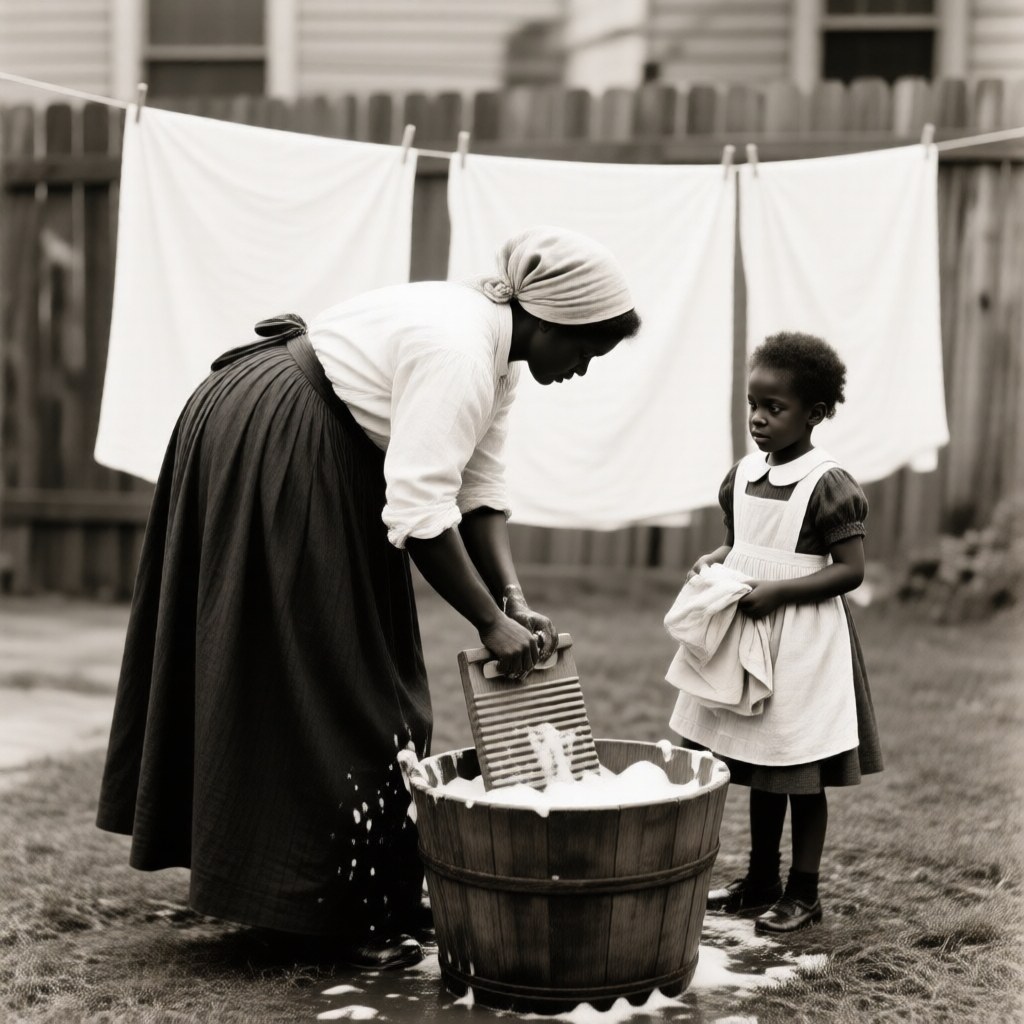
I was promoted to the washtub. That's how I said it later, on a stage.

At the time it didn't feel like a promotion.

[Verse 1]

St. Louis in the summer and the steam up to my chin,

Other people's linen and the lye that takes the skin.

A dollar for a day of it, a little more on some,

And a girl of three asleep behind the tub until I'm done.

[Verse 2]

Her father died when she was two and I was twenty, left alone,

I took the river north to where the washing paid in coin.

I learned the tub, and the board, and the hours, and the lye,

And I learned that a dollar is a day, and a day is what you buy.

[Chorus]

Promoted to the washtub.

That's what I said on the stage.

Promoted to the washtub,

And I promoted myself out.

[Verse 3]

I married a man in the Nineties and I left him in the spring,

I put my hair up every morning and it came down in the steam.

It came down in my fingers, and the scalp beneath went bare,

And a woman with no hair, they said, has nothing much to wear.

[Drop]

Scrub. Wring. Hang.

Scrub. Wring. Hang.

A dollar for the day.

Scrub. Wring. Hang.

[Verse 4]

There was a woman selling jars of something for the hair,

I took a case of them from door to door and learned the stairs.

And the stairs taught me more than the schoolhouse ever could:

That a woman sells to a woman what a woman understood.

[Chorus]

Promoted to the washtub.

That's what I said on the stage.

Promoted to the washtub,

And I promoted myself out.

[Bridge]

Three months of school. Twenty years of the tub. I'd call that an education.

[Outro]

And I promoted myself out.

[Fade Out]

[End]

03 · A Dollar a Day

washboard rhythm and a far-off ragtime piano, a woman humming over the tub, slow first minute then a hard beat drop → soulful house at 124 bpm with a gospel organ, strong female lead, story-driven

🎶 The Sizzle: washboard rhythm and a far-off ragtime piano, a woman humming over the tub, slow first minute then a hard beat drop into soulful house at 124 bpm with a gospel organ, strong female lead, story-driven

🎬 The Story: St. Louis, 1888 to 1903: a washerwoman earning barely a dollar a day, her daughter Lelia at her skirt, her own hair falling out in the heat of the work, promotes herself out of the tub.

The Fair cover

[Intro]

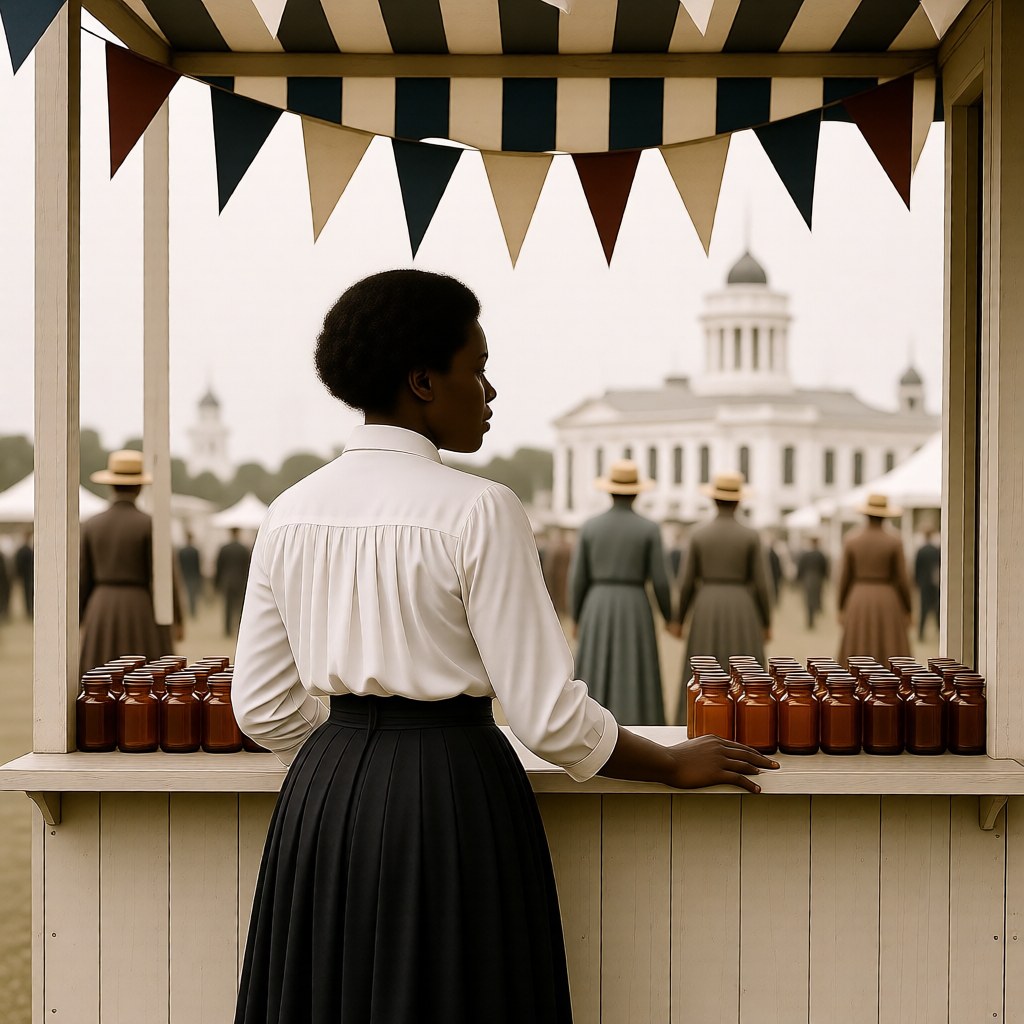
Saint Louis, the summer of the fair. The whole world came to the gates.

The whole world, and us at the back of the line.

[Verse 1]

Electric lights on the lagoon and a wheel against the sky,

Every country in a palace and a flag on every pole.

We stood in the lines like everyone and nobody looked our way,

And the men at the counters served around us like we were air.

[Verse 2]

There was a woman at the fair with a case of little jars,

Selling for another woman, a grower from Saint Louis.

She walked the exhibition halls all day and sold not one,

Because the fair had come to sell to everyone but us.

[Verse 3]

So she came around the back where we were standing with our hats,

And she opened up the case and she looked us in the face.

She asked about our hair the way a sister asks a sister,

And she sold a jar to my aunt, and a jar to me, and learned our names.

[Chorus]

Nobody looked at us.

Nobody looked at us.

So she looked at us,

And she sold to us, and she learned our names.

[Drop]

Gate. Line. Jar.

Gate. Line. Jar.

She learned our names.

Gate. Line. Jar.

[Verse 4]

The next summer she was gone to Denver, thirty-seven years old,

With her daughter and her case and a formula of her own.

The grower said she stole it, and the grower may be right,

But the grower never came around the back of the hall.

[Chorus]

Nobody looked at us.

Nobody looked at us.

So she looked at us,

And she sold to us, and she learned our names.

[Bridge]

The fair was for everybody. The fair was not for us. She noticed.

[Outro]

She learned our names.

[Fade Out]

[End]

04 · The Fair

fairground brass band and a calliope, slow first minute then a hard beat drop → upright-bass house at 123 bpm, warm female lead, story-driven

🎶 The Sizzle: fairground brass band and a calliope, slow first minute then a hard beat drop into upright-bass house at 123 bpm, warm female lead, story-driven

🎬 The Story: St. Louis World's Fair, 1904: a Black woman is not served and watches the saleswoman with the jars ignored beside her; nobody looked at them, so the saleswoman looked at them and sold to them.

Madam cover

[Intro]

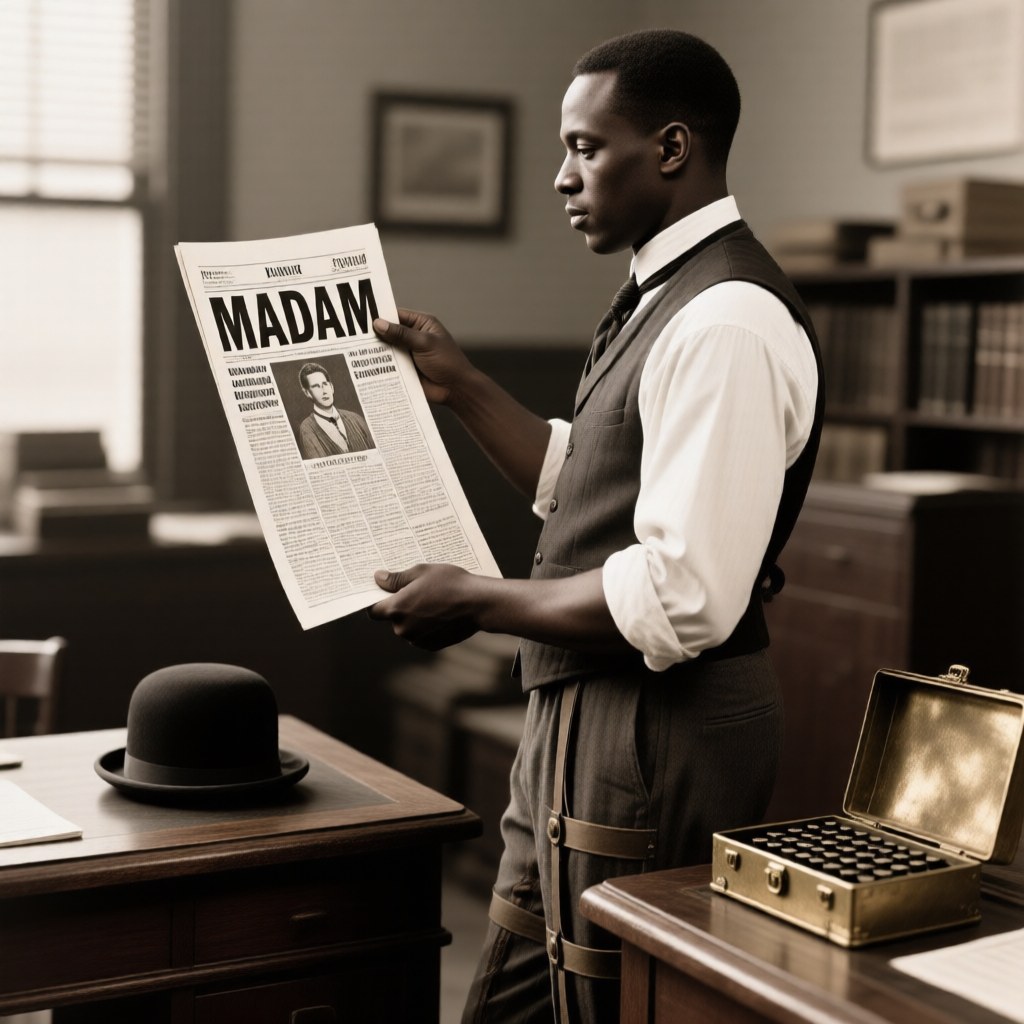
I sold advertising for a newspaper in Denver. She bought a square inch.

Then she bought the man who sold it.

[Verse 1]

Denver in January, with the mountains white above,

I sold the space in columns to the barbers and the stores.

She walked in with a jar and a face that did not ask,

And she bought an inch of the paper, and she asked me how it reads.

[Verse 2]

I said: the women in Paris put a word before their names,

Madam, like a house, like a door with a brass plate.

So I put it on the jar and I put it in the paper,

Madam C. J. Walker, and the C. J. was me.

[Verse 3]

The orders came by mail from every town the paper reached,

And her daughter ran the desk in Denver while we rode the trains.

I wrote the words, she made the thing, and the thing was what they bought,

And the word was just a door, and she was what walked through.

[Chorus]

Madam.

I gave her the name, she gave the name a face.

A name is a product, and the product was her,

And the product outgrew the man.

[Drop]

Ink. Jar. Name.

Ink. Jar. Name.

The product outgrew the man.

Ink. Jar. Name.

[Verse 4]

Pittsburgh, a parlor and a college with her daughter's name,

Then Indianapolis, a factory, a house on the same street.

By the time the papers printed her, the C. J. had a lawyer,

And the name stayed on the jar, and the man went back to Denver.

[Chorus]

Madam.

I gave her the name, she gave the name a face.

A name is a product, and the product was her,

And the product outgrew the man.

[Bridge]

People ask what the C. J. stood for. It stood for me. For a while.

[Outro]

The product outgrew the man.

[Fade Out]

[End]

05 · Madam

a Denver saloon piano and the clatter of a newspaper press, slow first minute then a hard beat drop → tech house at 126 bpm, swaggering male lead, story-driven

🎶 The Sizzle: a Denver saloon piano and the clatter of a newspaper press, slow first minute then a hard beat drop into tech house at 126 bpm, swaggering male lead, story-driven

🎬 The Story: Denver, 1906: a newspaper ad man marries her and gives her the name Madam, the mail-order business runs under her daughter, and by 1912 the name has outgrown the man who gave it.

Lelia College cover

[Intro]

Before her, I did hair in a kitchen. After her, I did hair in my own front room, with a sign.

[Verse 1]

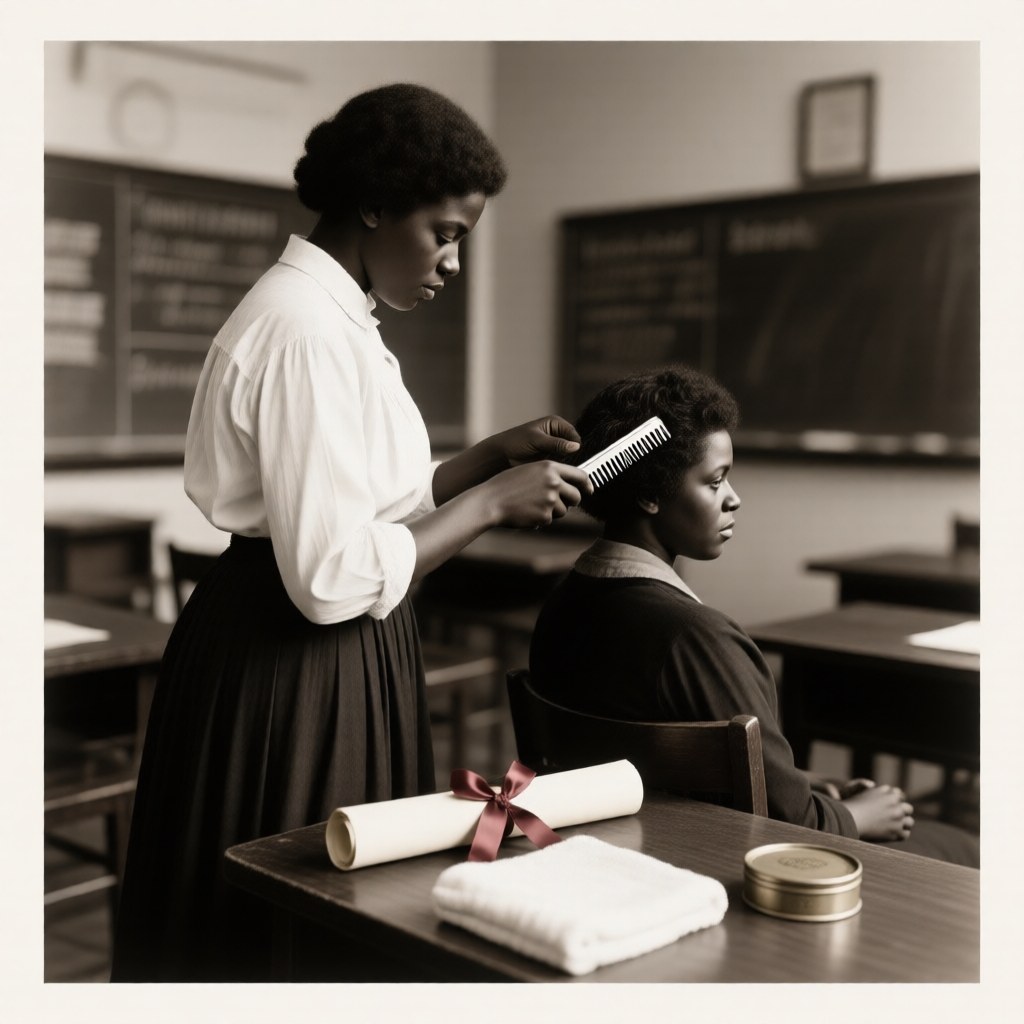
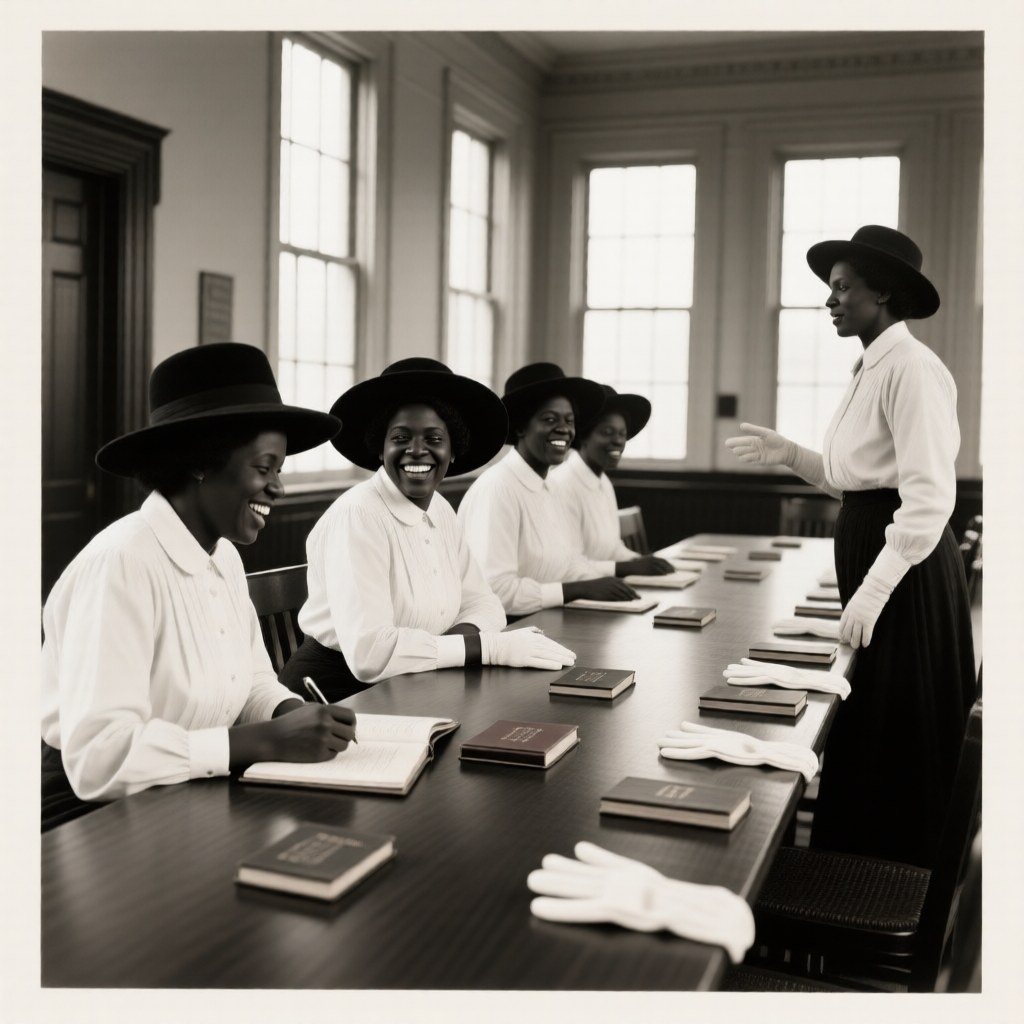
Pittsburgh, nineteen-eight, a parlor up a flight of stairs,

A college with her daughter's name and a classroom with a chair.

Twelve of us the first morning with our aprons in our laps,

And the Madam at the front with a comb like it was a key.

[Verse 2]

She taught the wash, the ointment, and the heat of the comb,

She taught the way you talk to a woman about her hair.

She called it the Walker System, and she wrote it on a card,

And the card said we were agents, and the agents were her own.

[Verse 3]

Two years on she moved it all to Indianapolis,

A house and a factory on the same street, the same block.

The agents went out by the thousand with the system in a case,

And every one of us came back with a town that knew her name.

[Chorus]

The Walker System.

The system was a woman who taught women.

My own hands became a trade with a paper on the wall,

And the paper had her name.

[Drop]

Wash. Comb. Sell.

Wash. Comb. Sell.

A trade in my own hands.

Wash. Comb. Sell.

[Verse 4]

By the war year, twenty thousand of us trained the way she taught,

In every state that had a town and every town that had a church.

I run my own front room now with the sign out on the glass,

And I teach the girls the system, and I tell them who it was.

[Chorus]

The Walker System.

The system was a woman who taught women.

My own hands became a trade with a paper on the wall,

And the paper had her name.

[Bridge]

She did not sell us a jar. She sold us a trade. The jar came with it.

[Outro]

And the paper had her name.

[Fade Out]

[End]

06 · Lelia College

a hot comb sizzling and a parlor hum with an early jazz cornet, slow first minute then a hard beat drop → Chicago house at 124 bpm, bright female lead, story-driven

🎶 The Sizzle: a hot comb sizzling and a parlor hum with an early jazz cornet, slow first minute then a hard beat drop into Chicago house at 124 bpm, bright female lead, story-driven

🎬 The Story: Pittsburgh, 1908 to 1910: a student of the Walker System learns the trade in a parlor classroom and earns a diploma; the system is a woman who teaches women, several thousand agents by the decade's end.

North West Street cover

[Intro]

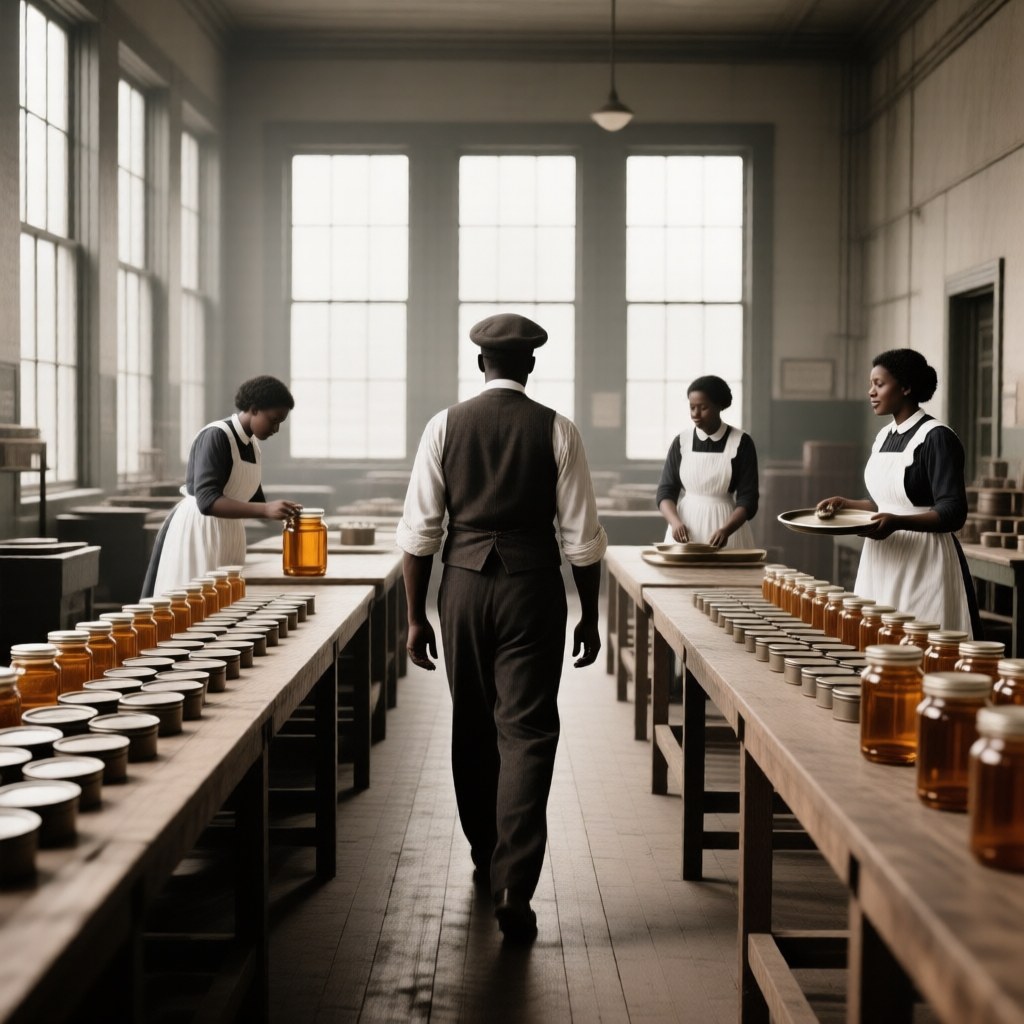
Six-forty North West Street, Indianapolis. A house and a factory. She bought both.

I ran the line. The line ran on her.

[Verse 1]

She bought the house and she bought the works the same year, on the same street,

And she walked the floor the first morning like a woman reading a page.

Jars by the gross and labels by the ream and the ointment in the vats,

And a woman at the head of it that the city did not expect.

[Verse 2]

She gave a thousand to the Y on Senate Avenue to put the building up,

Before the building had a wall, before the city asked.

She said a factory is a room, and a room is in a town,

And a town with a door for our boys is a town that keeps its own.

[Verse 3]

In the summer she went down to the Business League to speak,

And they did not call her name, so she said it from the floor.

I have built my own factory on my own ground, she said,

And the men who had the program heard the whole of it.

[Chorus]

My own factory on my own ground.

Ground is what they said she could not own.

I run the line on it,

And the line runs on her.

[Drop]

Steam. Jar. Crate.

Steam. Jar. Crate.

The line runs on her.

Steam. Jar. Crate.

[Verse 4]

I was there in December when the new building opened its doors,

Eight years after she was gone, with her name across the front.

A theater and a ballroom and the offices upstairs,

On the ground that she had bought, and the ground is still ours.

[Chorus]

My own factory on my own ground.

Ground is what they said she could not own.

I run the line on it,

And the line runs on her.

[Bridge]

Ground is a thing you stand on. She bought hers. We stood on it.

[Outro]

The line runs on her.

[Fade Out]

[End]

07 · North West Street

factory steam and a hymn sung from the floor, slow first minute then a hard beat drop → industrial house at 126 bpm, rough male lead, story-driven

🎶 The Sizzle: factory steam and a hymn sung from the floor, slow first minute then a hard beat drop into industrial house at 126 bpm, rough male lead, story-driven

🎬 The Story: Indianapolis, 1910 to 1912: a foreman builds jars on a factory floor for a woman the bank would not see, on her own factory on her own ground, a thousand dollars already given to the YMCA on Senate Avenue.

My Own Ground cover

[Intro]

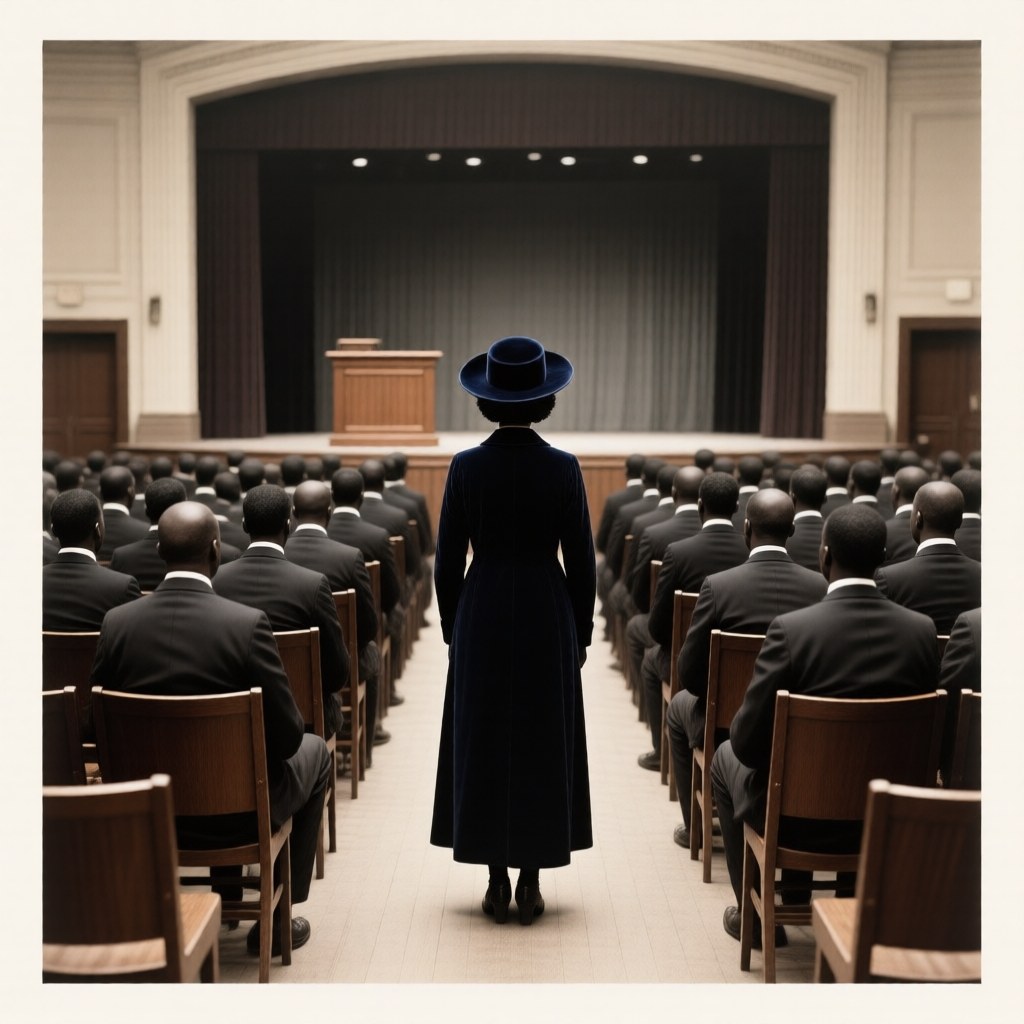
Nineteen-twelve. A hall full of businessmen. The chairman did not call my name.

So I stood up.

[Verse 1]

I am a woman who came from the cotton fields of the South,

I was not on the program, so I put it in my mouth.

I stood up in the aisle while the chairman looked away,

And I said my name, and the hall went still, and I said what I came to say.

[Verse 2]

From there I was promoted to the washtub, that was next,

From there I promoted myself to the business, to the rest.

To the manufacturing of goods for a woman's hair and head,

And the men who would not call on me sat down and heard instead.

[Chorus]

I have built my own factory on my own ground.

On my own ground.

They said the ground was not for me,

And I bought it anyway.

[Verse 3]

On North West Street in Indianapolis the chimney has my name,

The agents come in by the thousand and go out the way they came,

With a case and a comb and a system, and a paper that says they're mine,

And every one of them a woman who was once where I had been.

[Drop]

Stand. Speak. Build.

Stand. Speak. Build.

My own factory, my own ground.

Stand. Speak. Build.

[Verse 4]

The next year they put me on the program and they printed up my name,

And the chairman shook my hand as if the aisle had been his plan.

I gave the speech again, the same, the cotton and the tub,

And the ground I built it on was mine, and the hall stood up.

[Chorus]

I have built my own factory on my own ground.

On my own ground.

They said the ground was not for me,

And I bought it anyway.

[Bridge]

A woman sells to a woman what a woman understood. I understood.

[Outro]

On my own ground.

[Fade Out]

[End]

08 · My Own Ground

convention-hall brass and a gospel choir, slow first minute then a hard beat drop → peak-time house at 128 bpm, big soulful female lead, triumphant, story-driven

🎶 The Sizzle: convention-hall brass and a gospel choir, slow first minute then a hard beat drop into peak-time house at 128 bpm, big soulful female lead, triumphant, story-driven

🎬 The Story: Chicago, 1912: at the National Negro Business League the men do not give her the floor, so the founder takes it: from the cotton fields to the washtub to the business, and the ladder is hers.

The Clubs cover

[Intro]

A case, a comb, and a system. I carried it door to door in my own town.

Then a letter said: come to Philadelphia.

[Verse 1]

I was a laundress like she was, then I was a woman with a case,

I knocked on every door in town where a woman had a head.

I kept my own book and my own money and my own name on the card,

And the card said agent, and the agent was a job I had not had.

[Verse 2]

In the spring the letter came: she was gathering us in clubs,

State by state and town by town, with a president and dues.

She said a woman on her own is a woman they can skip,

But a club of us is a thing that the city has to see.

[Verse 3]

Philadelphia, the summer, two hundred of us in a hall,

Each one with her book, each one with her own town in her hands.

She stood up at the front and she told us what we were,

And what we were was something no one had bothered to name.

[Chorus]

A club.

We were agents, then we were a club,

And a club is a union of our own,

And the dues were paid in each other.

[Drop]

Case. Comb. Club.

Case. Comb. Club.

Paid in each other.

Case. Comb. Club.

[Verse 4]

She told us to give, to the church and the school and the Y,

And I did not know an employer was allowed to say that.

When she wrote her will she gave two parts in three away,

And the third part was the company, and the company was us.

[Chorus]

A club.

We were agents, then we were a club,

And a club is a union of our own,

And the dues were paid in each other.

[Bridge]

Several thousand of us, the paper said. I only knew the two hundred in the hall. That was enough.

[Outro]

Paid in each other.

[Fade Out]

[End]

09 · The Clubs

a women's chorus and a brass band march, slow first minute then a hard beat drop → garage house at 125 bpm, strong female lead, story-driven

🎶 The Sizzle: a women's chorus and a brass band march, slow first minute then a hard beat drop into garage house at 125 bpm, strong female lead, story-driven

🎬 The Story: Philadelphia, summer 1917: a hall of Walker agents at the first conference, each woman keeping her own books, agents who became a union of their own.

Fifth Avenue, Silent cover

[Intro]

July, nineteen-seventeen. We walked down Fifth Avenue and we did not make a sound.

That is the loudest thing I have ever done.

[Verse 1]

East Saint Louis burned in the summer and the paper counted the dead,

Dozens of them, in the river and the street and the fire.

The women in the churches read the names out one by one,

And the men on the committee said: we will not shout. We will walk.

[Verse 2]

She sat on the committee for the New York branch that year,

The woman from the jars, with the money and the name.

She did not need to walk with us. She had a house to build.

She walked.

[Verse 3]

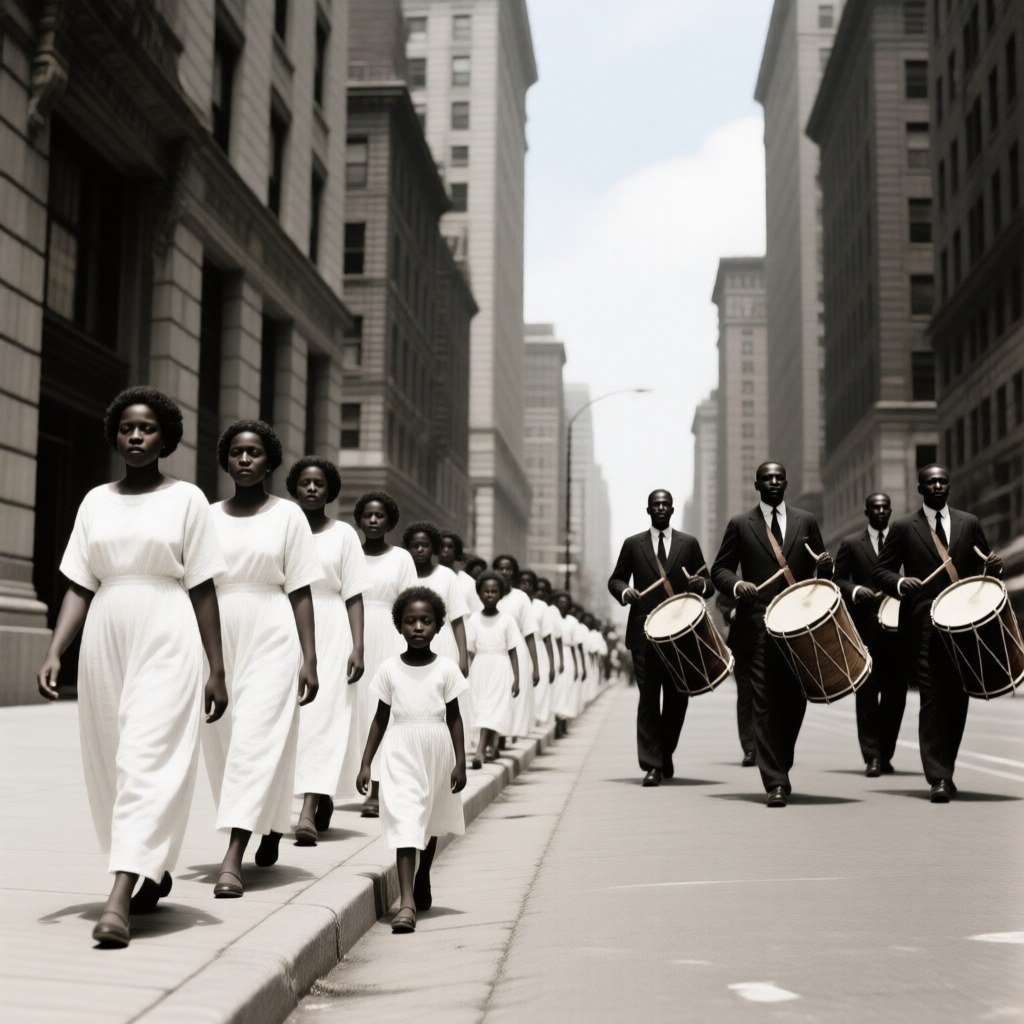
More than eight thousand of us came down the avenue,

The children in white at the front, the women after, then the men.

No band and no banner shouting, only the drums,

And the drums said the names, and the avenue heard every one.

[Chorus]

Silent.

The only sound was the drums,

And the drums said the names,

And the avenue heard every one.

[Drop]

Step. Drum. Step.

Step. Drum. Step.

The avenue heard every one.

Step. Drum. Step.

[Verse 4]

She gave five thousand to the fund against the lynching after that,

The largest gift the office had ever seen from one hand.

She said: I came from the cotton fields, I know what a rope is for,

And she wrote the check the way she walked, without a word.

[Chorus]

Silent.

The only sound was the drums,

And the drums said the names,

And the avenue heard every one.

[Bridge]

We did not shout. We did not need to. The avenue is long.

[Outro]

The avenue heard every one.

[Fade Out]

[End]

10 · Fifth Avenue, Silent

muffled drums only and a spiritual hummed low, slow first minute then a hard beat drop → dark New York house at 124 bpm with a heartbeat kick, grave female lead, story-driven

🎶 The Sizzle: muffled drums only and a spiritual hummed low, slow first minute then a hard beat drop into dark New York house at 124 bpm with a heartbeat kick, grave female lead, story-driven

🎬 The Story: Fifth Avenue, July 1917: more than eight thousand walk in silence for East St. Louis, dressed in white; the only sound is the drums, and the drums say the names.

Lewaro cover

[Intro]

I was the first licensed Black architect in the city of New York.

She called me. She said: build me a house that the river will remember.

[Verse 1]

Irvington, up the Hudson, where the old money kept its lawns,

A woman from the washtub bought a hill above the water.

She walked the ground with me in March and she pointed at the view,

And she said: the house faces the river, and the river faces the house.

[Verse 2]

I drew her thirty rooms with a music hall for the pipe organ,

A terrace for the summer and a gate the whole road saw.

The neighbors watched the wagons come with the stone and the glass,

And they learned to say the name she gave it before the roof was on.

[Verse 3]

A quarter of a million dollars from the jars went into the hill,

And in May, with the dogwood out, she walked in the front door.

She stood in the hall and she did not say a word for a while,

And then she said: it is a sentence. Say it slowly.

[Chorus]

A house is a sentence you say to a street.

Villa Lewaro.

Say it slowly.

The street is still listening.

[Drop]

Stone. Glass. Hudson.

Stone. Glass. Hudson.

Say it slowly.

Stone. Glass. Hudson.

[Verse 4]

That November the doctors came and used the word nephritis,

And she had one year in the house I built for a hundred.

She left the house to her daughter and the sentence to the street,

And the street is still saying it, and I am still the man who drew it.

[Chorus]

A house is a sentence you say to a street.

Villa Lewaro.

Say it slowly.

The street is still listening.

[Bridge]

I built her a house for a hundred years. She got one. The house is still there.

[Outro]

The street is still listening.

[Fade Out]

[End]

11 · Lewaro

a stride piano on the Hudson and a string section, slow first minute then a hard beat drop → deep house at 121 bpm with marimba, thoughtful male lead, story-driven

🎶 The Sizzle: a stride piano on the Hudson and a string section, slow first minute then a hard beat drop into deep house at 121 bpm with marimba, thoughtful male lead, story-driven

🎬 The Story: The Hudson, 1917 to 1918: the first licensed Black architect in New York draws a mansion for a washerwoman's daughter, two hundred and fifty thousand dollars of house, and the neighbors draw their blinds as she moves in.

Woodlawn cover

[Intro]

May, nineteen-nineteen. Lewaro, with the windows open on the river.

I am her daughter. I was there.

[Verse 1]

The doctors used their words again, the kidneys and the blood,

And she lay in the big room with the river in the glass.

Fifty-one years old, from the Delta to this hill,

And she asked me for the books, because she wanted to see them straight.

[Verse 2]

Two years before, a paper asked her if she was a millionaire,

And she said: not yet. Not yet. She would not round herself up.

She had the factory and the house and the agents in the clubs,

And she counted it the way she counted everything, exactly.

[Verse 3]

When she went, the papers wrote her up at half a million to a million,

And then they rounded that to first, the first woman to make it on her own.

She would have corrected them. She corrected everyone.

I let them have it. She had earned the rounding.

[Chorus]

Not yet, she said.

Not yet.

The papers rounded her up;

I never needed to.

[Drop]

Count. Round. Rest.

Count. Round. Rest.

I never needed to.

Count. Round. Rest.

[Verse 4]

We took her to Woodlawn in the Bronx, under the trees,

And the record book put her name down with a footnote at the end,

For the women nobody wrote down who may have been there first.

She would have read the footnote. She would have said: not yet.

[Chorus]

Not yet, she said.

Not yet.

The papers rounded her up;

I never needed to.

[Bridge]

She came from the cotton fields. She told you that herself.

[Outro]

I never needed to.

[Fade Out]

[End]

12 · Woodlawn

a Harlem church organ and a solo female voice, slow first minute then a hard beat drop → ambient house at 120 bpm that eases into a quiet outro, intimate female lead, story-driven

🎶 The Sizzle: a Harlem church organ and a solo female voice, slow first minute then a hard beat drop into ambient house at 120 bpm that eases into a quiet outro, intimate female lead, story-driven

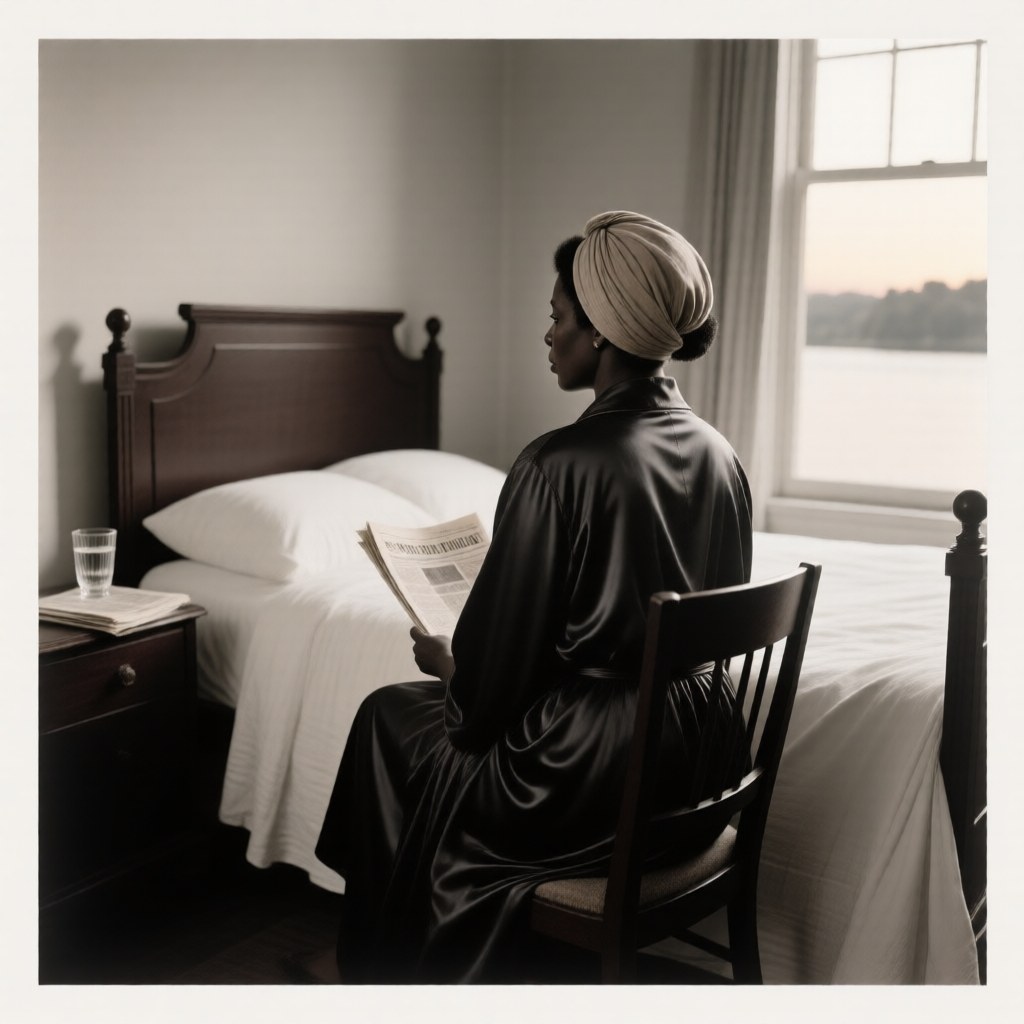
🎬 The Story: Irvington and Woodlawn, May 1919: A'Lelia at the bedside at dawn; her mother corrected the papers, not yet a millionaire, and the papers rounded her up anyway.