Sessions · episode 4
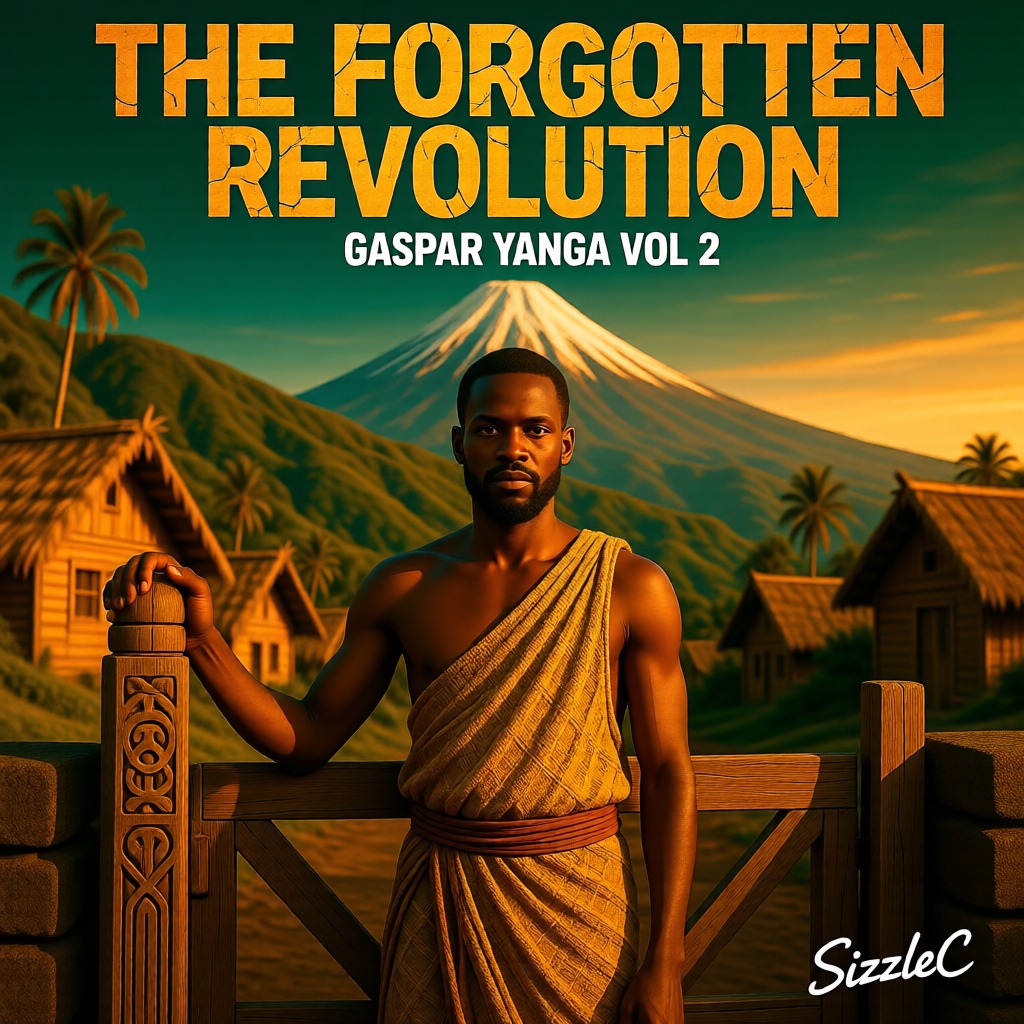
04 · The Forgotten Revolution: Gaspar Yanga, Vol. 2
SizzleC · the free city · 5 songs · 27:26 · 30 Sep 2026 · album
Chapters
- 0:00 Open
- 1:35 6 · The Wooden Crown
- 6:57 7 · Blood and Jade
- 12:11 8 · The Viceroy's Ghost
- 16:31 9 · Roots of the Ceiba
- 22:15 10 · Para Bailar
Transcript
Open
File: This is BEATRIFUL Sessions.
Host: Episode four: The Forgotten Revolution, Gaspar Yanga, volume two. Five more songs. If you haven't heard volume one, go back; this picks up where the treaty ends. SizzleC.
Sizzle: Volume one is the war. Volume two is the harder thing: the peace. Yanga's people came down off the mountain with a piece of paper from the Spanish crown that said they were free, in their own town, San Lorenzo de los Negros. Now they have to be a town. Plant cane they own. Sit on a council. Deal with the viceroy watching them from the capital and wondering if he made a mistake.
Host: So less blood, more politics.
Sizzle: Less blood, more everything else. An alliance with the indigenous people who'd been running from the same mines. A viceroy who can't sleep. An old man handing the thing to his son. And at the end, a wedding, a dance, and the song that carried the whole story into the future without anybody noticing: La Bamba.
Host: The sounds?
Sizzle: Afro-Cuban percussion, Mesoamerican flutes, a baroque harpsichord for the palace, Afrobeat, and the son jarocho again at the end. Every one drops into the floor at fifty seconds. Tech house, deep house, Latin trap, global bass. Five chapters.
6 · The Wooden Crown
Sizzle: Chapter six. Thirty years of running, sleeping in the rain, now we plant the seed and harvest our own cane. Slow Afro-Cuban percussion building into heavy Latin tech house. Yanga wearing an invisible crown, which is the right image: he was never a king, he was the man everybody looked at when it was time to decide.
[song 06 — 06-the-wooden-crown-the-free-city-take2.mp3]
Host: A wooden crown.
Sizzle: Wood, not gold. The whole point of the town was that nobody up there had gold. What they had was a charter and each other. The song is the first morning it's legal to be there. I wanted it to feel like a slow sunrise that turns into a party.
7 · Blood and Jade
Host: Chapter seven, the alliance.
Sizzle: From the Congo river to the Aztec stone. Two different peoples, but we ain't alone. Mesoamerican flutes and guitar into dark, hypnotic deep house. The palenques were never only African; indigenous people escaping the mines and the plantations ended up on the same mountain. Same enemy, same fence. That's the jade next to the blood.
[song 07 — 07-blood-and-jade-the-alliance-take2-ext2.mp3]
Host: Is that documented?
Sizzle: The mixing is. Colonial records complain about it constantly, Africans and Indians together in the hills, which is how you know it happened. What the album adds is the feeling from inside: two peoples who had every reason to distrust each other deciding not to. That part isn't in a ledger.
8 · The Viceroy's Ghost
Sizzle: Chapter eight is the palace. Sitting in the Mexico heat, listening to the rhythm of the mountain. A baroque harpsichord, very proper, and then it breaks into aggressive Latin trap. The viceroy pacing, terrified of a knock on the door. He signed the treaty. Now he lies awake wondering what he started.
[song 08 — 08-the-viceroy-s-ghost-the-paranoia-take1.mp3]
Host: Did they really fear it spreading?
Sizzle: Yes. Every free town was an advertisement. The treaty's clause about returning new runaways exists because of exactly that fear. So the ghost in the title is the idea, not a man: the idea that it can be done, walking the halls of the palace at night. The harpsichord is his heartbeat.
9 · Roots of the Ceiba
Host: Chapter nine.
Sizzle: My hair has turned to white, my hands are getting slow, but the roots of the tree will continue to grow. Soulful Afrobeat into deep house, warm, with women's voices behind him. The old man handing it on. The ceiba is the sacred tree in that part of the world, roots like walls. This is the one song on the record that isn't a fight.
[song 09 — 09-roots-of-the-ceiba-the-legacy-take2-ext2.mp3]
Host: Did Yanga have a son?
Sizzle: Tradition says his son took over as the town's first leader after the charter; the old man was too old. The town kept its own council for generations, that part's in the records. The song gives the old man the speech the documents don't. That's fair. He earned a speech.
10 · Para Bailar
Sizzle: Last chapter. Para bailar la bamba. To dance the bamba, it ain't just a song, it's the rhythm of the strong. A wedding in the village, the tarima set, and traditional son jarocho building into euphoric global bass and tech house. The idea of the record is that the song survived when the history didn't. Every wedding in the world plays it. Almost nobody knows where the word might come from.
[song 10 — 10-para-bailar-the-bamba-eternal-take1.mp3]
Host: Where does it come from?
Sizzle: La Bamba is a son jarocho from Veracruz, four hundred years old in some form, and Veracruz is where Yanga's people landed and where they settled. Some scholars trace bamba to Mbamba, an African place name; others say no. I'm not going to settle that on a dance record. What's true is that the region's music is African, Spanish and indigenous at once, and that's the treaty nobody had to sign.
Host: SizzleC. The Forgotten Revolution, both volumes.
Sizzle: There's a town called Yanga in Veracruz. There's a statue. Go find it. Thanks for listening to the whole thing.
File: The album, the covers, and the videos as they finish, are at beatriful dot com. This has been BEATRIFUL Sessions.
All episodes · Podcast feed: feed.xml